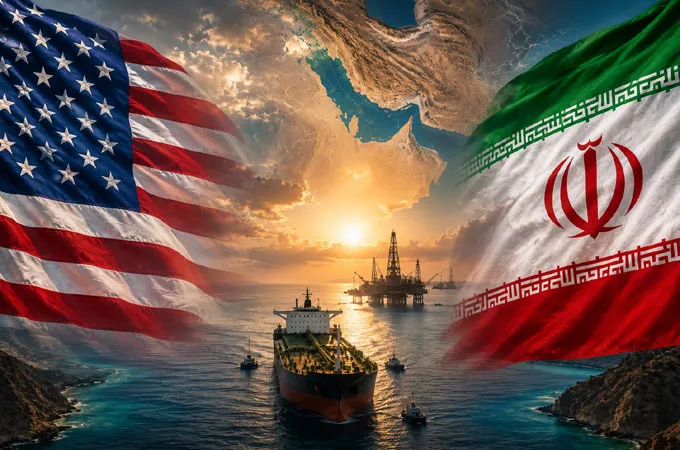
Conflicting signals from Washington and Tehran over the next phase of US-Iran negotiations have cast fresh uncertainty over efforts to consolidate a fragile ceasefire, even as commercial shipping continues to move cautiously through Strait of Hormuz.
While US President Donald Trump said the two sides would meet in Doha on Tuesday and American officials confirmed that US Special Envoy Steve Witkoff was travelling to Qatar, Iran insisted no negotiations with the United States had been scheduled at any level in the coming days.
Trump earlier said Washington would hold talks with Iran in Doha, while White House Press Secretary Karoline Leavitt said Witkoff and the president's son-in-law Jared Kushner would lead the US delegation. Two US officials also confirmed that Witkoff was en route to the Qatari capital. A senior US official said technical discussions related to the memorandum of understanding remained on track despite the recent flare-up in hostilities.
Tehran, however, maintained that its delegation's visit to Doha this week was unrelated to any American visit. Iranian Foreign Ministry spokesman Esmaeil Baghaei said the expert team travelling to Qatar would focus solely on implementing provisions of the memorandum of understanding, particularly those relating to the release of frozen Iranian assets.
Baghaei said Iran was prioritising implementation of the agreement rather than negotiations on a final settlement. He said Washington had issued the necessary licences under provisions covering Iranian oil sales, while Tehran was continuing efforts to secure implementation of clauses governing the release of frozen assets.
According to Baghaei, negotiations on a comprehensive agreement cannot begin until several key provisions of the memorandum, including related to oil exports and financial arrangements, are implemented. He stressed that no formal negotiations with the United States were currently planned and that any American presence in Doha had no connection with the Iranian delegation's work.
Both must abide by commitments: Iran
Iranian President Masoud Pezeshkian reiterated that Tehran would honour its commitments if Washington fulfilled its obligations under the agreement, while warning that Iran would respond firmly to threats. In a message posted on X, Pezeshkian said mutual understanding depended on both sides adhering to their commitments and stressed that Iran would continue to defend its interests decisively.
Regional tensions remain elevated despite the ceasefire. Fighting between Hezbollah and Israel continued in Lebanon over the weekend, with Iran continuing to demand a complete Israeli withdrawal from Lebanon as part of any broader regional settlement.
Strait of Hormuz traffic
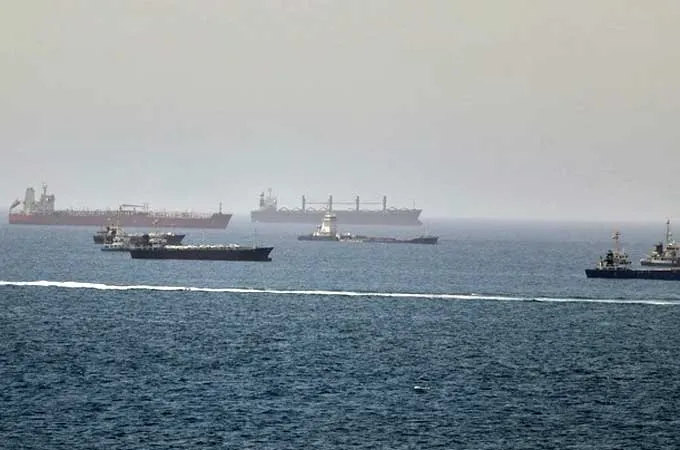
Meanwhile, commercial shipping through the Strait of Hormuz remains subdued despite signs of improving maritime security. MarineTraffic data showed more than two dozen commercial vessels transited the waterway over the past 24 hours, including oil tankers and cargo ships entering and leaving the Gulf. Although traffic has remained relatively steady in recent days, it is still significantly below pre-war levels, when around 110 vessels crossed the strait daily.
Maritime analysts say the threat from drones and sea mines continues to weigh on shipping activity, even though incidents of GPS spoofing—electronic interference that distorts vessels' navigation systems—have eased in recent weeks. An increasing number of ships are also hugging the Omani coastline, a route that reduces their exposure to Iranian-controlled waters and potentially weakens Tehran's strategic leverage over the narrow passage.
Separately, Iran rejected suggestions that foreign countries would participate in clearing mines from the strait. The response came after French President Emmanuel Macron said France and Oman had agreed to work with partners to secure maritime routes and guarantee freedom of navigation through Hormuz.
Iranian Deputy Foreign Minister Kazem Gharibabadi said demining operations would be carried out exclusively by Iran under its agreement with the United States and urged France not to complicate an already sensitive situation.