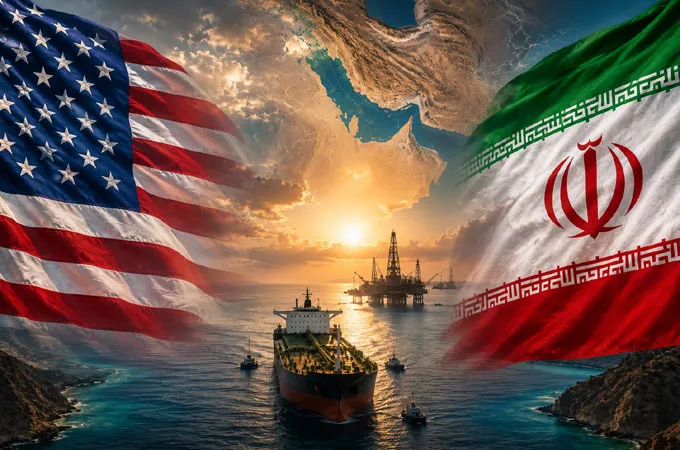
The United States and Iran have agreed on a roadmap aimed at reaching a comprehensive peace agreement in 60 days, marking a significant step forward in efforts to end hostilities despite renewed tensions over the Strait of Hormuz.
The breakthrough emerged after a first round of high-level talks in Switzerland that mediators described as "positive and constructive," with both sides making encouraging progress on key political, security and economic issues.
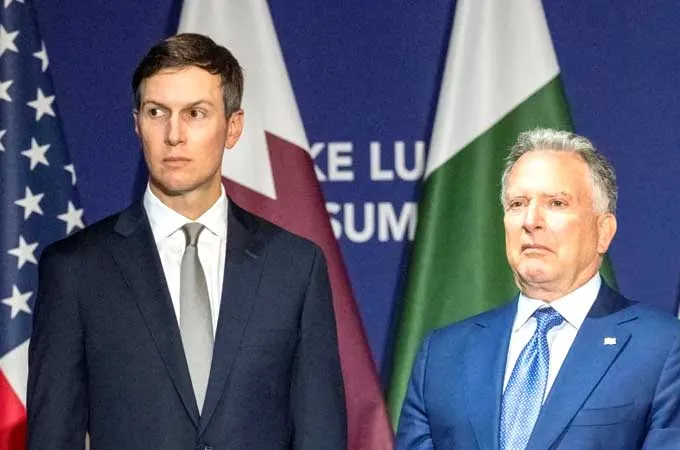
US Vice President JD Vance led the American delegation, with discussions taking place under the framework of a memorandum of understanding reached last week that extended a tenuous ceasefire by at least 60 days
Iranian Foreign Minister Abbas Araqchi said Tehran had secured important economic concessions during the discussions, including waivers allowing continued oil and petrochemical exports, the release of some frozen Iranian assets abroad and the launch of a reconstruction and development programme for the country.
A joint statement issued by mediators Qatar and Pakistan said Washington and Tehran had agreed to establish a high-level committee to provide political oversight for the negotiations and guide working groups focusing on nuclear issues, sanctions, monitoring mechanisms and dispute resolution.
The committee has endorsed a roadmap designed to achieve a final agreement within 60 days, while technical teams will continue negotiations throughout the week at the Swiss mountain resort of Bürgenstock.
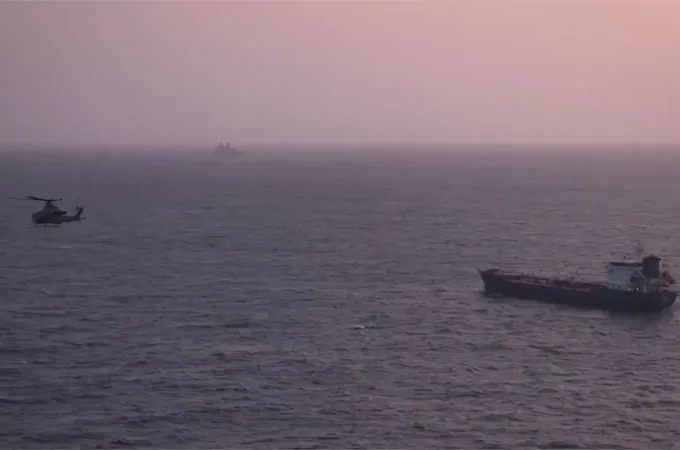
Mediators said the two sides also agreed to establish a communications mechanism to ensure the safe passage of commercial vessels through the Strait of Hormuz and a separate framework involving Lebanon aimed at ending military operations there.
Despite the diplomatic progress, tensions remained evident throughout the negotiations.
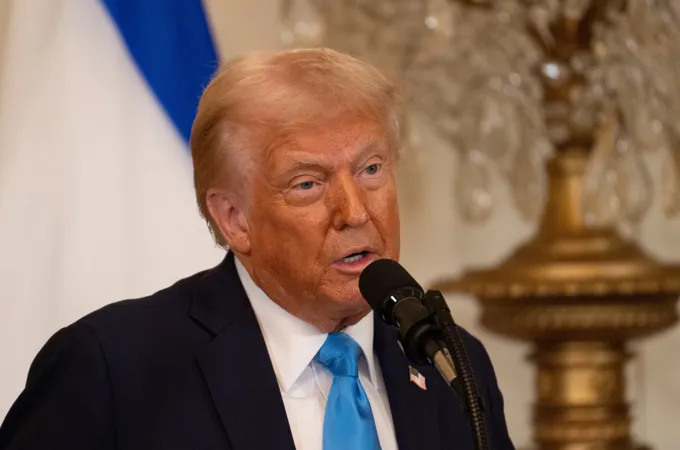
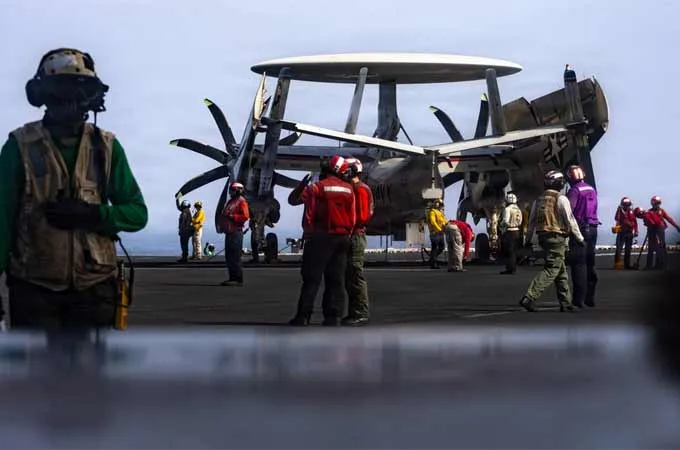
US President Donald Trump warned in a television interview that Washington could resume military strikes against Iran and "take over" the Strait of Hormuz if negotiations fail. He also reportedly warned Tehran against any future attempt to close the waterway, through which a significant portion of global oil shipments passes.
The remarks angered Iranian negotiators and briefly threatened to derail the talks. Iranian media reports said Tehran's delegation initially refused to return to the negotiating room after Trump's comments became public, although indirect exchanges continued through Qatari and Pakistani mediators.
An Iranian source earlier suggested the negotiations had stalled, but US officials insisted discussions continued late into the night.
"The Iranians never left and are still here meeting and negotiating deep into the night," a US diplomat involved in the talks said. "We've talked about the Strait, Lebanon, nuclear issues and details of implementing the memorandum of understanding."
Iranian Foreign Ministry spokesman Esmaeil Baghaei said negotiators had made good progress on issues required before final negotiations could begin, including sanctions relief and access to frozen funds.
Baghaei also confirmed that both sides agreed commercial shipping must be allowed to transit safely through the Strait of Hormuz, despite Tehran's announcement earlier that it had again closed the waterway, highlighting the continuing sensitivity surrounding one of the world's most important energy corridors.
Another major issue remains the conflict in Lebanon. Tehran has insisted that Israeli military strikes against the Iran-backed Hezbollah movement must cease before broader negotiations can fully advance.
US Vice President JD Vance led the American delegation, with discussions taking place under the framework of a memorandum of understanding reached last week that extended a tenuous ceasefire by at least 60 days.