GCC economies are set for a sharp rebound, with growth forecast to reach 8.5% in 2027, according to ICAEW’s latest Economic Insight Q1 2026 report, produced in partnership with Oxford Economics.
In the near term, regional disruption is expected to weigh on activity, with GDP projected to contract by 0.2% in 2026.
The outlook reflects strong underlying fundamentals, with diversification and policy reform supporting a return to growth as energy flows normalise and non-oil sectors strengthen. The pace of recovery will depend on how quickly current disruption subsides, with more prolonged pressure likely to delay the rebound, said the report.
The short-term impact is expected to vary across the GCC, reflecting differences in exposure to international trade, tourism and logistics. At the same time, the region’s diverse economic structures and export flexibility provide a degree of resilience, supporting continuity across key sectors.
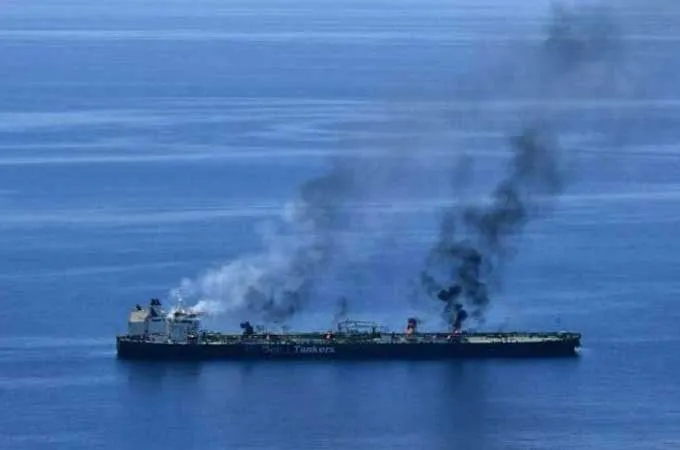
Disruption to energy markets remains the primary driver of the current outlook. Elevated oil prices have offered partial support, but constraints on production and export volumes have weighed on overall performance. As these constraints ease, the energy sector is expected to recover strongly, with growth of 18.2% projected in 2027.
Beyond energy, tourism and travel are anticipated to normalise more gradually, reflecting their sensitivity to accessibility and sentiment. However, targeted policy support and the region’s established infrastructure are expected to accelerate recovery as travel conditions stabilise.
Airspace disruption has limited international visitors, with arrivals to the Middle East projected to decline by 11% to 27% this year. This will temper non-oil activity in the near term, with growth expected to remain broadly flat at 0.1% in 2026, before strengthening to 6.4% in 2027 as travel activity resumes and confidence regains.
From a fiscal perspective, the impact will vary across the region. Higher oil prices will likely support government revenues in some economies, while others may face pressure due to constrained export volumes. Government spending is expected to increase across the GCC as authorities support economic stability and prioritise strategic sectors including financial services, technology and healthcare.
Commenting on the findings, Hanadi Khalife, Regional Director of MEASA, ICAEW, said: “While the near-term environment remains complex, the policy response across the region has been both swift and targeted. In the UAE, support for SMEs and the tourism sector is helping to stabilise activity and sustain confidence. Together with the region’s diversification progress, this is expected to support a steady recovery as conditions ease.”
Azad Zangana, Head of GCC Macroeconomic Analysis, added: “The impact across the GCC reflects differences in economic structure and exposure to external demand. As trade flows normalise, energy markets are expected to recover first, with other sectors, including tourism, following as confidence strengthens. This phased recovery highlights the region’s breadth of growth drivers, with the overall rebound supported by the strength of underlying fundamentals.” - TradeArabia News Service