Europe is experiencing renewed pressure on gas supplies due to disruptions in the Strait of Hormuz and the EU’s ongoing efforts to reduce dependence on Russian gas, exposing vulnerabilities in global LNG markets and driving up spot prices.
In this context, Africa’s expanding LNG export capacity, particularly through floating liquefied natural gas (FLNG) technology, provides a timely and cost-effective solution.
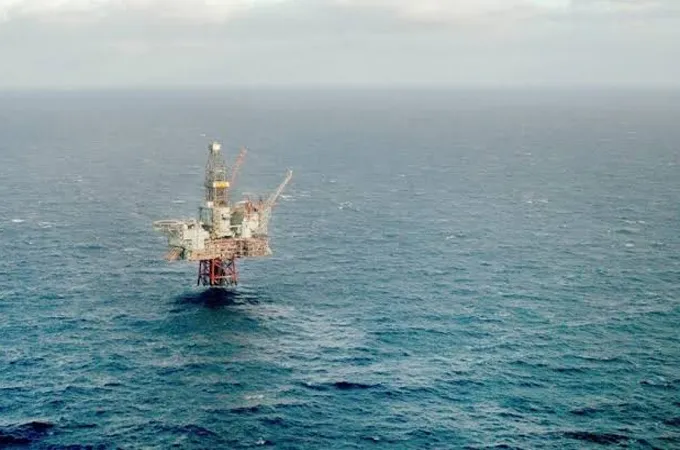
FLNG integrates liquefaction facilities on mobile offshore vessels, eliminating the need for extensive onshore infrastructure and lengthy construction timelines.
These modular units can be deployed rapidly, reducing upfront capital requirements and accelerating delivery of export volumes.
Africa’s offshore gas basins, abundant but historically underdeveloped, are well-suited for FLNG deployment, enabling producers to supply international buyers quickly.
Congo exemplifies this approach: operated by Eni, the Congo LNG project has sequentially deployed FLNG units, with Tango FLNG starting in late 2023 and Nguya FLNG in late 2025.
Together, these units provide approximately 3 million tons per year, or 4.5 billion cubic meters of gas annually.
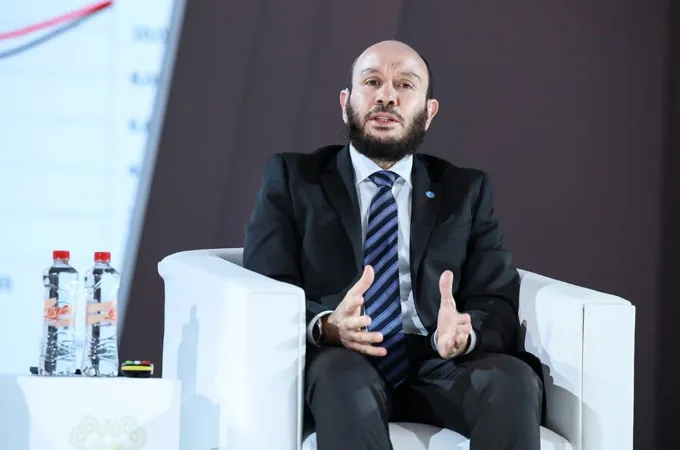
Phase 2 exports from Nguya commenced in early 2026 ahead of schedule, demonstrating the speed and flexibility of FLNG. Congo’s Minister of Hydrocarbons, Bruno Jean-Richard Itoua, is set to highlight the country’s growing LNG capabilities at IAE 2026.
Other African FLNG projects are progressing as well.
Mozambique’s Coral South FLNG has supplied over 100 LNG cargoes to Europe since 2022, and its follow-on Coral North project, backed by major international financing, aims to nearly double Mozambique’s offshore LNG capacity.
For investors and policymakers, FLNG offers additional advantages: reduced onshore footprint, lower permitting risk, simplified deepwater logistics, and the ability to phase capacity expansions in line with field development and offtake agreements.
These benefits lower project risk, improve economics, and provide a flexible, rapid response to surging global LNG demand. -OGN/TradeArabia News Service