The Organisation of the Petroleum Exporting Countries (Opec) and the Gas Exporting Countries Forum (GECF) convened the Sixth High-Level Meeting of the Opec–GECF Energy Dialogue at the Opec Secretariat in Vienna.
The meeting further
strengthened cooperation between the world’s leading oil- and gas-exporting
country organisations, noted the record level of oil and gas consumption and
the positive prospects, and underscored the pressing need for timely, sustained
and long-term investment in hydrocarbons.
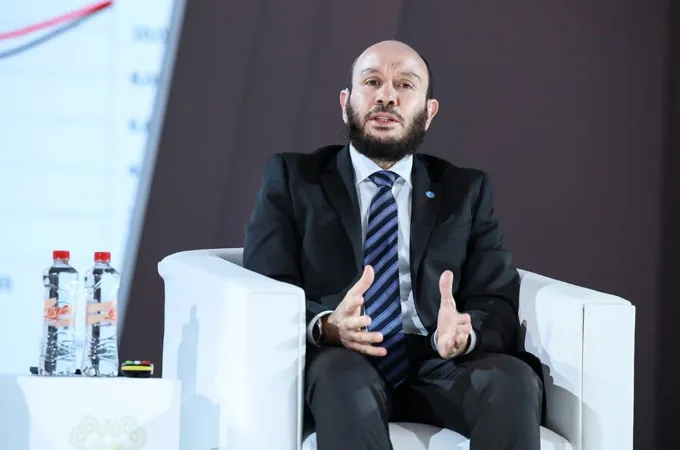
Co-chaired by Haitham
Al Ghais, Opec Secretary General, and Mohamed Hamel, GECF Secretary
General, the meeting reviewed oil and gas market developments, long-term
outlooks, energy data collaboration, and joint activities leading up to, and
during COP30
Al Ghais highlighted the continued growth in global demand for hydrocarbons.
“Global natural gas consumption is on track to rise by 1.6 per cent in 2025,
while global oil demand is projected to grow by 1.3 million barrels per day. It
is one record after another, year after year.”
Al Ghais also noted
the long-term prospects for energy demand, with Opec’s World Oil Outlook
projecting that global energy demand will increase by 23 per cent by 2050, with
global oil demand reaching 123 mb/d, and the combined share of oil and gas in
the global energy mix staying above 50 per cent through to 2050.
Al Ghais emphasised
the importance of oil and gas as affordable and reliable sources of energy in
meeting increasing future energy demand.
Al Ghais highlighted
that innovation is crucial as technology will play a critical role in reducing
emissions while meeting the increasing energy demand.
Al Ghais underscored
the importance of adopting a realistic approach to achieve a sustainable energy
future.
Al Ghais also emphasised
the importance of clear, fact-based communication, including to ensure a
long-term investment-friendly climate – with sufficient finance available –
that works for oil and gas producers and consumers.
Hamel underscored that
natural gas continues to play a pivotal role in sustainable development,
ensuring global energy security and contributing to alleviating energy poverty.
“Natural gas remains
the fastest-growing hydrocarbon fuel and an indispensable pillar of future
energy systems. It is essential not only for power generation and industrial
use but also for providing cleaner cooking, cooling and heating solutions for
people around the world,” he stated.
Citing the GECF Global Gas Outlook 2050, he noted that global gas demand is projected to rise by over 32 per cent by 2050, supported by demographic expansion, economic growth, and improvements in standards of living.
Hamel also expressed
GECF’s concern over certain European Union regulations and directives,
including the Methane Emission Regulation (MER), the Corporate Sustainability
Due Diligence Directive (CSDDD), and the Carbon Border Adjustment Mechanism
(CBAM), underscoring their extraterritorial potentially damaging effects over
energy security and global cooperation.
Both organisations
cautioned against persistent underinvestment despite the expected long-term
demand growth.
The GECF Global Gas Outlook 2050 projects that $11.1 trillion will be needed to sustain future gas supply, while Opec’s World Oil Outlook 2050 estimates that $18.2 trillion will be required across the global oil industry. -TradeArabia News Service