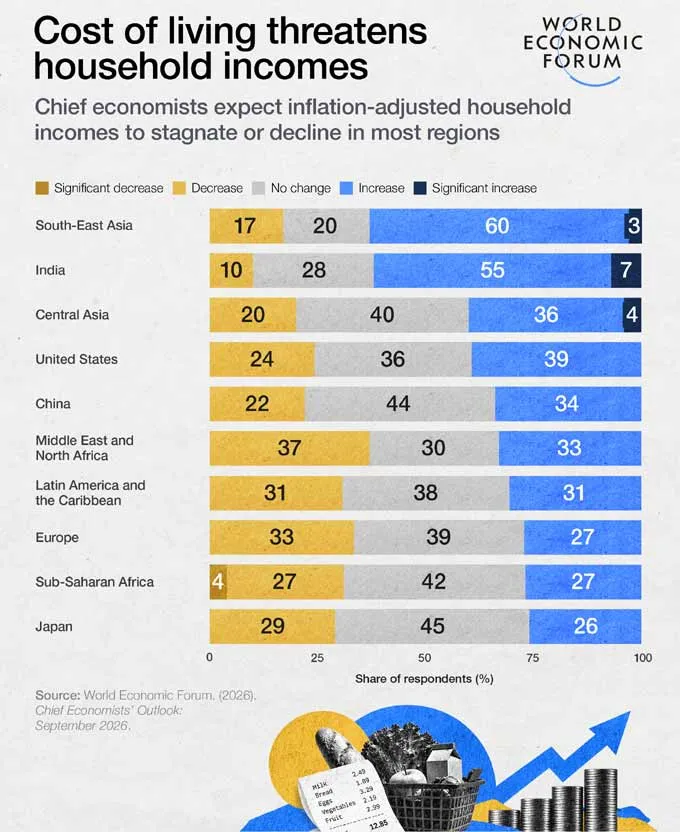
The global economy is stabilising, but the fiscal support that cushioned successive shocks since 2020 is unlikely to play the same role in the year ahead, according to the World Economic Forum's Chief Economists' Outlook, published on Tuesday.

The global economy has proved more resilient than expected in the face of the energy supply shock triggered by the conflict in the Gulf, with global growth for 2026 holding at around 3%, International Monetary Fund Managing Director Kristalina Georgieva said.
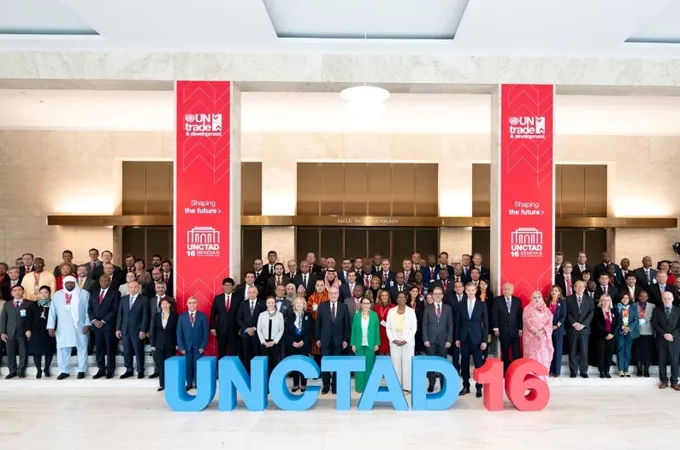
Major shifts – from new trade patterns and resilient services to clean technologies and artificial intelligence – offer a chance to reshape the global economy for greater inclusion and resilience, said UNCTAD Secretary-General Rebeca Grynspan.
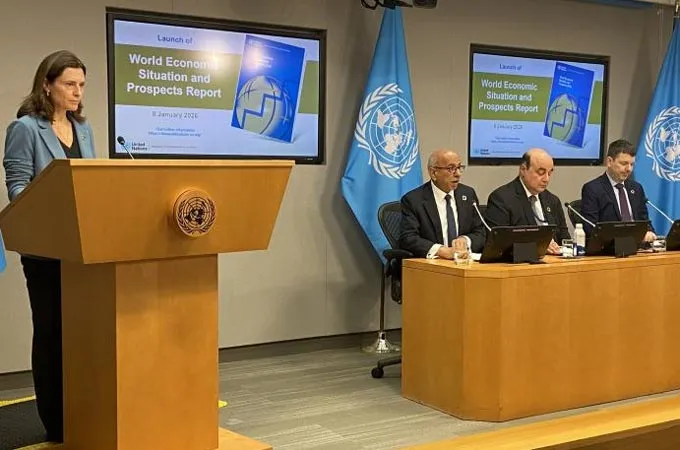
Global economic output is forecast to grow by 2.7 per cent in 2026, slightly below the 2.8 per cent estimated for 2025 and well below the pre-pandemic average of 3.2 per cent, according to the World Economic Situation and Prospects 2026, released by the United Nations on Thursday.

The global economic outlook has improved modestly but remains uncertain, with asset valuations, mounting debt, geoeconomic realignment and rapid artificial intelligence deployment creating both opportunities and risks, according to the World Economic Forum's latest Chief Economists’ Outlook, published on Friday.