
Investing in climate action and air pollution reduction together could generate around US$15 in economic benefits for every US$1 invested, according to a new report by the UN Environment Programme (UNEP) and the Climate and Clean Air Coalition (CCAC).

Global food prices rose in August to their highest level since late 2022, driven by adverse weather conditions and international shipping disruptions, the UN Food and Agriculture Organisation (FAO) said on Friday.

Iranian President Masoud Pezeshkian used his address to the United Nations General Assembly to send a message to Iran’s Gulf neighbours, saying Tehran’s security must be guaranteed if the wider region is to avoid being drawn into continuing instability.

US President Donald Trump threatened to “annihilate” Iran if Tehran fails to reach a deal with Washington, while at the same time signalling that a diplomatic settlement could be within reach after US and Iranian representatives held lengthy talks on the sidelines of the United Nations General Assembly.
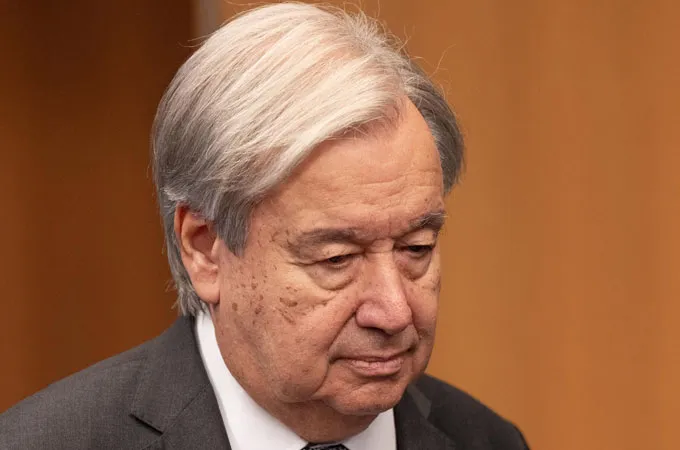
UN Secretary-General António Guterres welcomed an international initiative launched on September 21 entitled the Call for Control of Frontier AI Models.

Global food prices rose in July to their highest level in more than three years, driven by increases in cereal, sugar and vegetable oil prices amid concerns over global grain supplies and the impact of weather conditions on agricultural production.
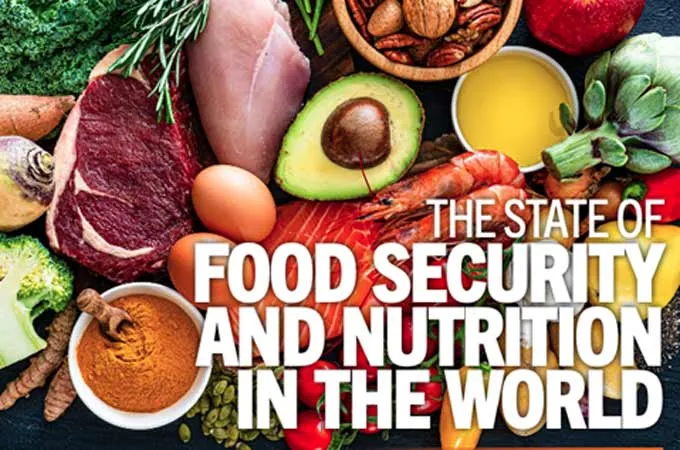
The ongoing conflict in the Middle East is expected to leave millions more people facing hunger by the end of the decade, threatening to erode recent global progress in tackling food insecurity, according to a new United Nations report.
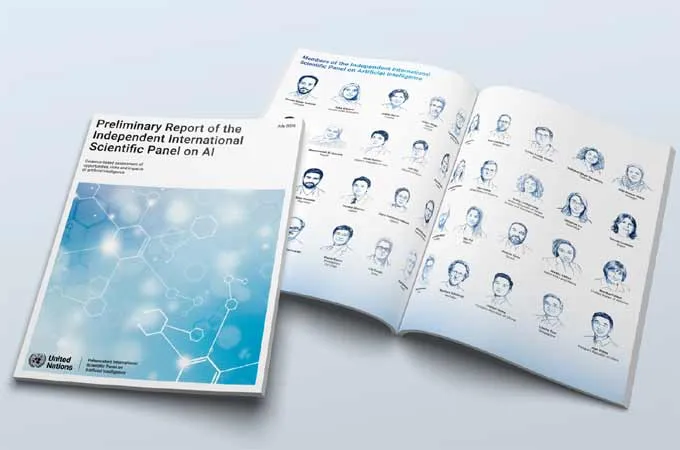
Artificial intelligence is evolving faster than scientific understanding and governments' ability to regulate it, creating growing risks that require urgent global action based on a shared scientific evidence base, a landmark United Nations report warned.
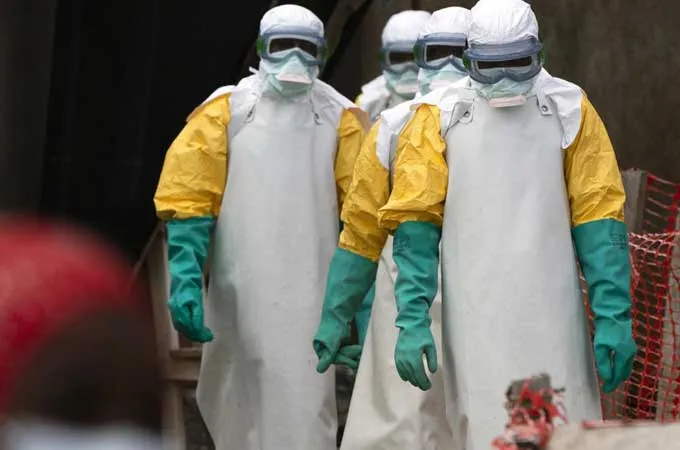
An Ebola outbreak in Central Africa could cost the continent $3.6 billion and put thousands of jobs at risk if it is not contained, warned the UN. A smaller number of infections has been reported in neighbouring Uganda, raising concerns over the virus spreading to countries such as South Sudan.

The Strait of Hormuz crisis threatens global stability, food security, and the foundational principles of international law, said Bahrain's Minister of Foreign Affairs, calling for urgent international action.