US President Donald Trump said the United States could restart the war or become the "guardian of the Middle East" and receive 20% of the region's revenues if Iran fails to reach an acceptable agreement on its nuclear programme.
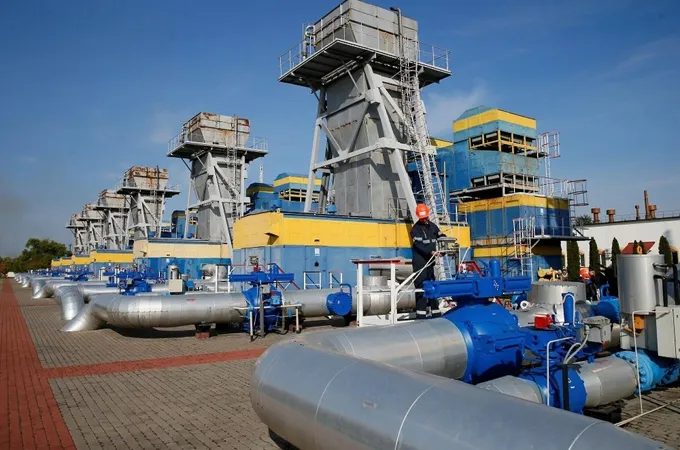
Global LNG exports fell to about 33 million tonnes in April 2026, the lowest in nearly two years, as Middle East tanker disruptions linked to the US-Israeli war with Iran impacted shipping flows.
Global air cargo demand rose 4% year-on-year in April, supported by robust Asia-linked trade flows, despite severe disruption at major Gulf hubs from conflict in the Middle East that reshaped trade routes and constrain capacity on key corridors, said a report.
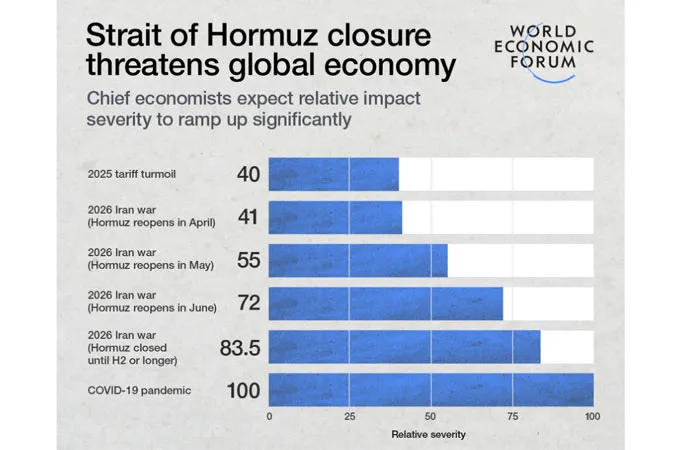
The global economic outlook has deteriorated sharply in recent weeks, according to the latest edition of the World Economic Forum’s Chief Economists’ Outlook published on Thursday (May 28).

Total global air passenger demand, measured in revenue passenger kilometers (RPK), was down 3.4% in April this year, compared to April 2025, data from International Air Transport Association (IATA) said.
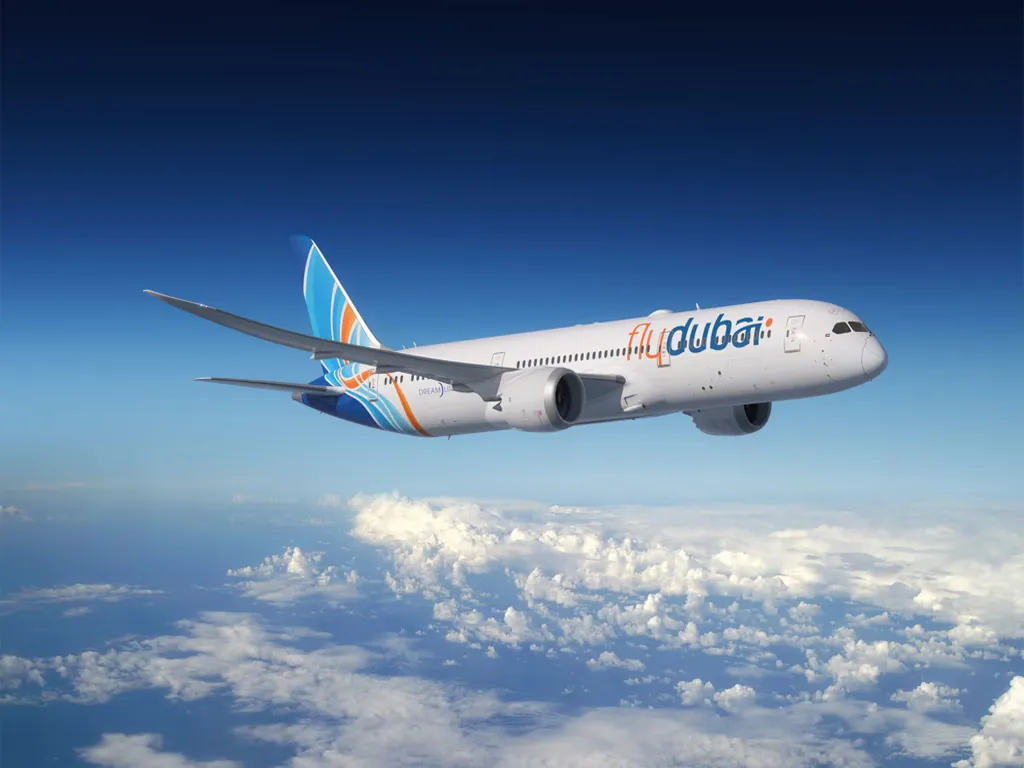
Dubai budget carrier flydubai have announced the launch of a new interline agreement, designed to enhance international connectivity and provide passengers with seamless access to an expanded network of destinations across Africa, Asia, the Middle East and the GCC.
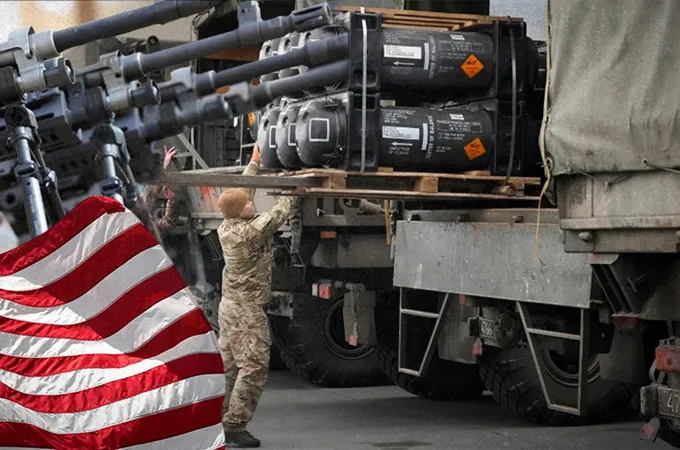
US President Donald Trump's administration has bypassed congressional review to approve $8.6 billion military sales to Middle Eastern allies Israel, Qatar, Kuwait and the UAE. These include Patriot air and missile defence replenishment services costing $4.01 billion and APKWS, a laser-guided weapons kit.

The latest developments in the Middle East have pushed oil higher again, reintroducing some of the “war trades” that had faded in recent weeks. Markets are still being driven by a tug-of-war between strong fundamentals and rising macro risk, but the tone has become more cautious over the past 24 hours, said an expert.
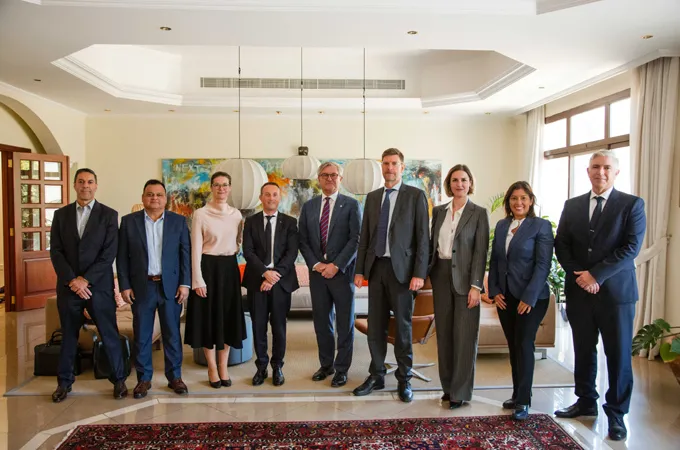
Alfa Laval, an expert in heat transfer, separation, and fluid handling technologies, reaffirms its long-term commitment to the Middle East during a two-day visit by Alfa Laval President and CEO Tom Erixon to the UAE.
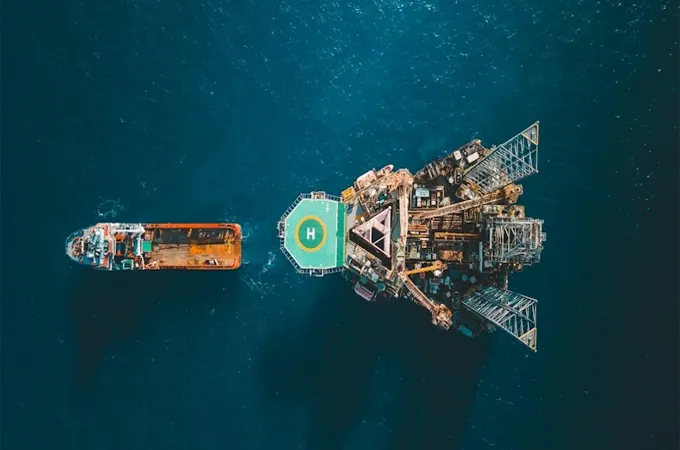
International Energy Agency (IEA) says global oil markets face disruptions in 2026 due to Middle East conflict and Strait of Hormuz restrictions, with demand forecast to fall by 420 kb/d to 104 mb/d, led by a sharp Q2 decline.