Some of the world’s biggest investment firms are looking to deploy more capital across the Middle East just as governments open more infrastructure projects to outside investors.
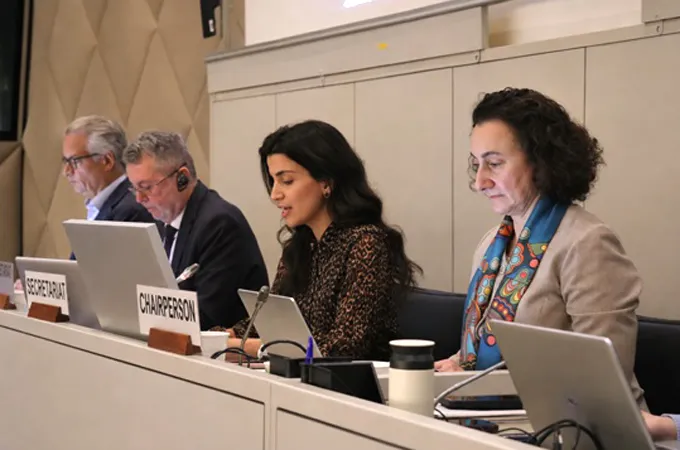
Blackstone has ploughed more money into the region over the past year than ever before, a top executive said at Bloomberg Invest Dubai.
Pacific Investment Management Co, meanwhile, sees opportunities to finance projects spanning digital infrastructure and transport.
In need of capital
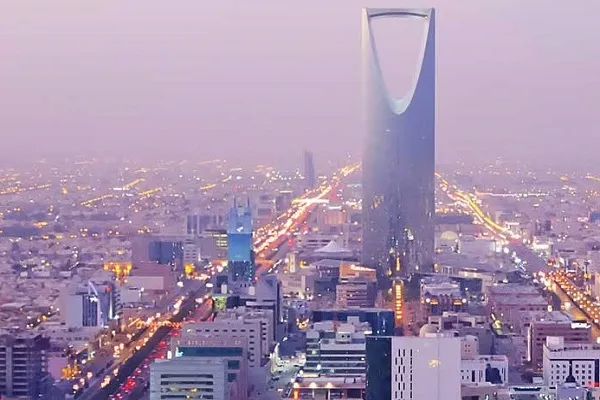
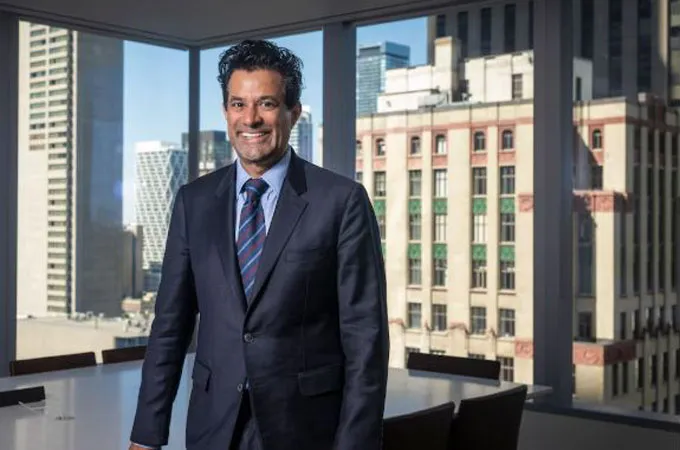
“The opportunity set is extraordinary,” Blackstone Private Wealth Global Chief Operating Officer Farhad Karim said, singling out sectors including data infrastructure, logistics and other physical assets. “I mean, just driving around Dubai, it’s incredible what you see that needs capital.”
That appetite coincides with a period of costly infrastructure expansion across the region, from new energy export routes that bypass the Strait of Hormuz to artificial intelligence projects, even as the monthslong war strains finances and raises security risks.
The region’s “massive” capital expenditure needs can’t be met solely by local banks and traditional government-linked funding, according to Pimco Managing Director and President Christian Stracke, creating opportunities for private capital. Some of those financing opportunities could be substantial, helping draw international asset managers to the region.
The broader investment drive is taking place against a backdrop of heightened security concerns. The Iran war has exposed the Gulf’s dependence on the Strait of Hormuz and the vulnerability of its shipping and energy infrastructure, increasing the urgency of plans to develop alternative routes and facilities.
Gulf countries boost infrastructure spending
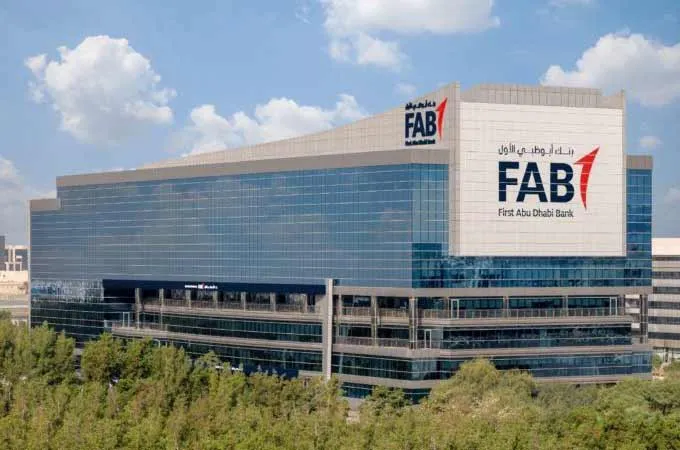
The UAE is looking to expand port capacity on its eastern coast, including at Fujairah, outside the strait — projects that are expected to cost billions of dollars. The scale of the financing needs was underlined by First Abu Dhabi Bank PJSC’s plan to raise as much as AED15 billion ($4.1 billion) in the country’s largest rights issue, which will help support the country’s infrastructure expansion.
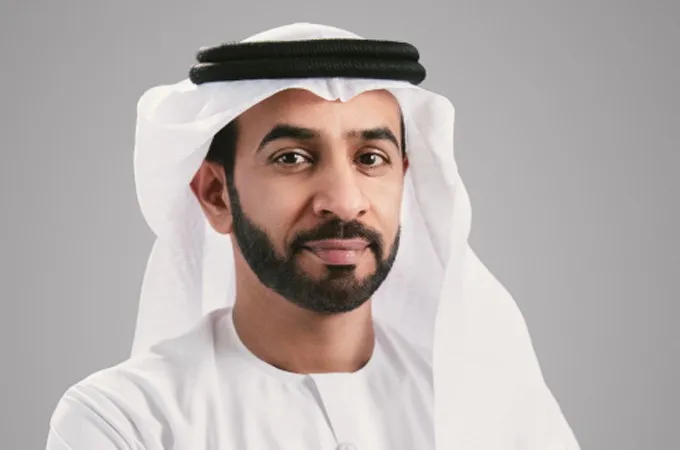
The UAE, for its part, sees more energy, industrial and infrastructure projects opening up to investors, Investment Minister Mohamed Hassan Alsuwaidi said in an interview at the event.
“I see opportunity to attract third party capital in ways we haven’t in the past,” he said. The country, home to wealth funds managing more than $2 trillion, has no shortage of capital but wants to draw more private investors into projects that might previously have been financed by the government, the minister said.
That’s a shift for a region traditionally better known as an exporter of capital.
Alsuwaidi said opportunities were also emerging in AI and robotics, logistics, financial services and real estate. Some parts of the property market, particularly offices and warehouses, were facing shortages, he said.
But despite the substantial pipeline of projects, the conflict has raised the risk premiums attached to them. Governments will need to demonstrate that returns justify the risks, particularly as the cost of capital remains higher globally. Alsuwaidi said the UAE’s strong credit standing would help.
“If you can make a long term, high single or low double for the long term with high certainty, I’d take that any day,” he said.—TradeArabia News Service