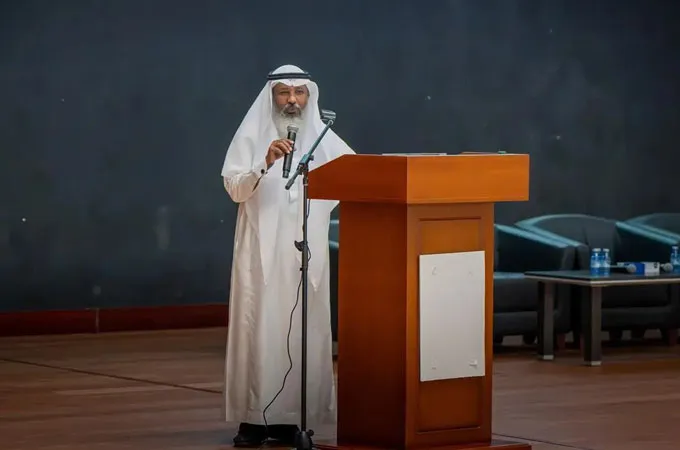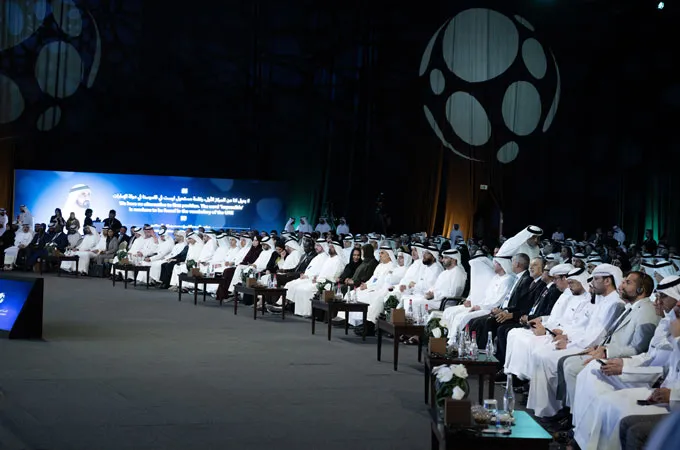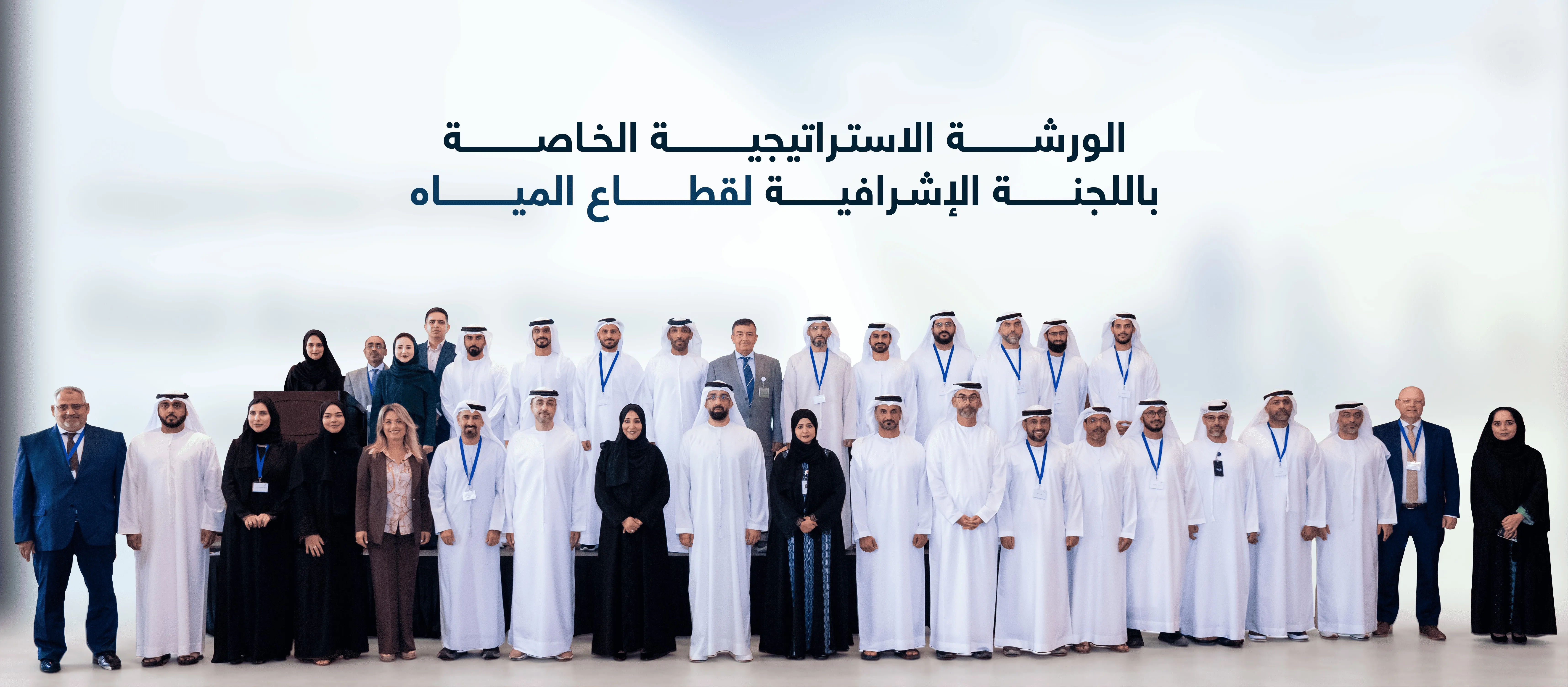
The Water Sector Steering Committee has convened a strategic workshop to establish priorities for 2027 and assess long-term targets through 2035.
The workshop formed part of the emirate’s efforts to strengthen water security, ensure the sustainable management of its water resources and prepare for Abu Dhabi Water & Power Week 2026, taking place from December 8 to 10 at Adnec Centre Abu Dhabi.
The workshop strengthened institutional coordination and collaboration among water-sector entities and strategic partners, aligning priorities, projects and investments with Abu Dhabi’s long-term objectives. \
Integrated approach
Discussions reinforced an integrated approach to water-resource planning and management, focused on efficiency, operational preparedness and security of supply.
The workshop also supported coordination on the projects and initiatives to be showcased at Abu Dhabi Water & Power Week 2026, creating opportunities for partnerships and collaboration while strengthening infrastructure readiness to support economic and population growth and deliver sustainable long-term outcomes.
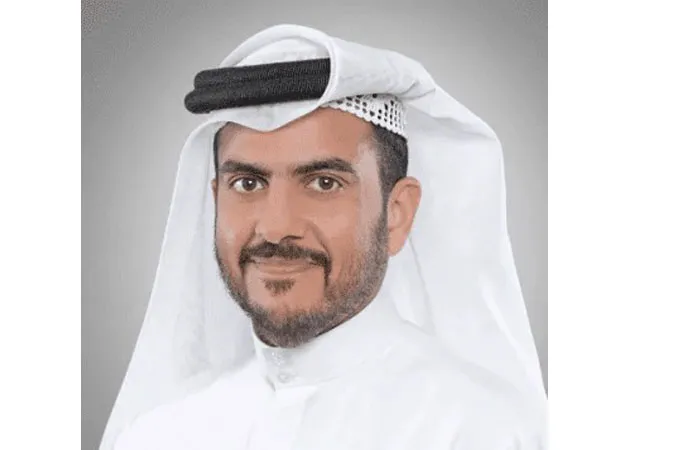
Dr Abdulla Humaid Al Jarwan, Chairman of the Department of Energy – Abu Dhabi: “Water security is fundamental to national security and sustainable economic and social development. In Abu Dhabi, we continue to strengthen an integrated and resilient water system through proactive planning, efficient resource management and infrastructure readiness, ensuring reliable and continuous water supplies while supporting future growth. Our Integrated Water Strategy brings institutions and stakeholders together around three strategic objectives: securing water supplies, safeguarding the sustainability of our resources and strengthening Abu Dhabi’s competitiveness.”
Expediting priority projects
He added: “As we move into the next phase, our focus is on accelerating priority projects, improving water efficiency, protecting groundwater resources and strengthening governance and performance monitoring. We are committed to ensuring that our plans and investments deliver measurable outcomes that support Abu Dhabi’s targets through 2035 and reinforce the long-term resilience and sustainability of our water system for future generations.”
As part of efforts to strengthen integrated water-resource planning, the Chairman directed the preparation of a proposal for an Abu Dhabi Water Balance Sheet Policy. The proposed framework would provide a comprehensive overview of available water resources, their sources and consumption patterns, while identifying opportunities to improve efficiency and safeguard resources. It would also support data-driven decision-making and strengthen long-term planning to balance water supply and demand.
The workshop reviewed initiatives aimed at protecting water resources and preserving groundwater reserves, in line with Abu Dhabi’s target to reduce groundwater abstraction by 500 million cubic metres by 2030. Projects and measures covering half of the targeted reduction have been identified, supporting integrated resource management, improved water efficiency and the long-term sustainability of the emirate’s strategic groundwater reserves.
Water supply security
Participants also reviewed progress in strengthening water supply security and operational preparedness, including the development of emergency water supply capacity and improvements to response arrangements and service continuity. These efforts aim to strengthen infrastructure resilience and maintain reliable water services under different operating scenarios and exceptional circumstances.
In the agricultural sector, the workshop reviewed progress on water-efficiency initiatives, including the launch of four irrigation infrastructure projects, completion of the first pilot phase involving the installation of 80 agricultural water meters, and implementation of 18 model farm pilots. These initiatives support improved consumption monitoring, sustainable irrigation practices and more efficient water use, while encouraging innovative irrigation technologies and supporting sustainable agricultural production.
The workshop also established priorities through 2035, including achieving groundwater net zero, accelerating water-efficiency programmes and reducing agricultural water demand, strengthening system preparedness and resilience, and improving governance, implementation monitoring and performance measurement. Another priority is achieving zero discharge of treated wastewater into the environment, supporting greater utilisation of available water resources and a more efficient and sustainable water system.—TradeArabia News Service