Abu Dhabi-based Fertiglobe has announced that it has signed an agreement with leading German groups - Covestro, one of the world’s top manufacturers of polymer materials, and MB Energy, a leading supplier of high-tech polymer materials - to explore joint collaboration across the ammonia value chain in Germany and Europe.
The collaboration brings together Fertiglobe’s global ammonia production and supply capabilities, MB Energy’s energy infrastructure and logistics expertise, and Covestro’s position as a major industrial consumer of ammonia in Germany.
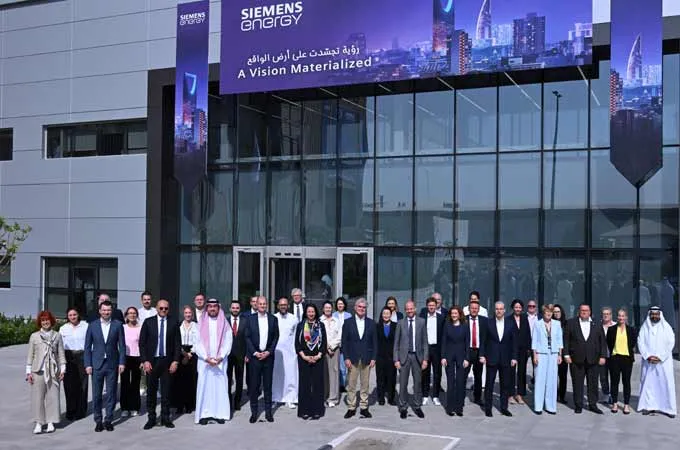
The MoU was signed during the official visit of UAE President His Highness Sheikh Mohamed bin Zayed Al Nahyan to Germany.
As per the deal, Fertiglobe, the world’s largest seaborne exporter of urea and ammonia, will explore the potential supply of ammonia through an import terminal proposed to be built and operated by MB Energy, an independent and integrated energy company, at Blumensand in Hamburg. As part of the collaboration, Fertiglobe will also explore potential equity investment in the Hamburg terminal.
Covestro, one of the world’s leading manufacturers of high-quality polymer materials, will evaluate the potential offtake of ammonia delivered through the terminal for use as feedstock in its production and/or to meet hydrogen supply requirements.
By developing an additional route for ammonia imports into Germany, the collaboration has the potential to diversify supply options and strengthen the resilience of supply chains serving European industry. The parties will also explore opportunities to serve other industrial customers across Europe.
The parties will jointly assess the commercial, technical and logistical requirements for the potential supply of ammonia via Hamburg, including terminal capacity, volumes, delivery arrangements and onward transportation to industrial customers. They will also evaluate enabling infrastructure and logistics, including pipelines, barges and rail transportation.
Ammonia is an essential feedstock for the chemical industry and can also serve as a carrier of hydrogen. Access to reliable and competitive lower-carbon and renewable ammonia could help reduce the carbon footprint of chemical production and support the industry’s energy transformation. Import, storage and transport infrastructure will be critical to making such supplies available at an industrial scale.
The collaboration will consider conventional, lower-carbon and renewable ammonia, including the carbon intensity of potential supply and alignment with applicable regulatory and certification frameworks, such as the EU Carbon Border Adjustment Mechanism (CBAM) and relevant low-carbon and renewable hydrogen requirements.
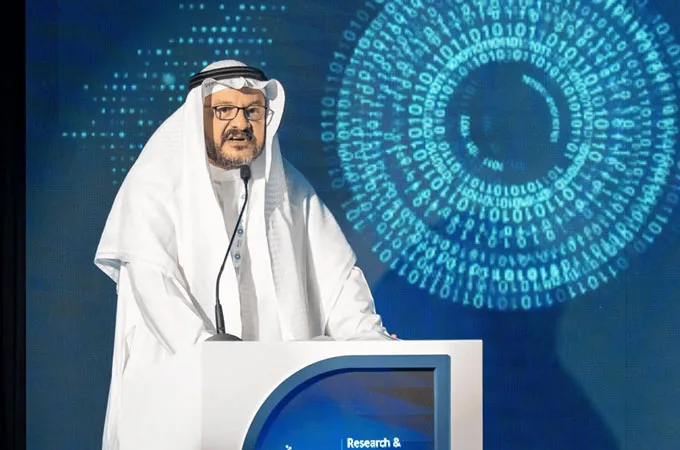
Fertiglobe CEO Ahmed El Hoshy said: "This MoU marks an important step in strengthening its connectivity with industrial customers in Europe and expanding routes to market for our global ammonia platform."
"Together with Covestro and MB Energy, we see an opportunity to support the development of a reliable and competitive ammonia supply chain through Hamburg, in line with our Grow 2030 focus on customer proximity and disciplined growth in lower-carbon ammonia," he stated.
Covestro CEO Dr Markus Steilemann said: "Ammonia is an essential building block for the chemical industry – and its carbon footprint matters for the transformation of our production. Securing reliable, competitive and increasingly low-carbon ammonia is therefore a strategic priority for Covestro. Together with Fertiglobe and MB Energy, we are exploring an additional supply route that could support our path toward climate neutrality while strengthening supply resilience in Germany and Europe."
MB Energy CEO Jonathan Perkins said: "Europe’s energy transition depends not only on low-carbon molecules, but on reliable infrastructure to reach industrial customers at scale. This MoU brings together complementary capabilities across supply, logistics and demand to explore a credible ammonia value chain through Hamburg."
"With MB Energy’s long-standing infrastructure and logistics capabilities, we aim to strengthen supply security while enabling the progressive introduction of lower-carbon ammonia in Germany and across Europe," he added.-TradeArabia News Service