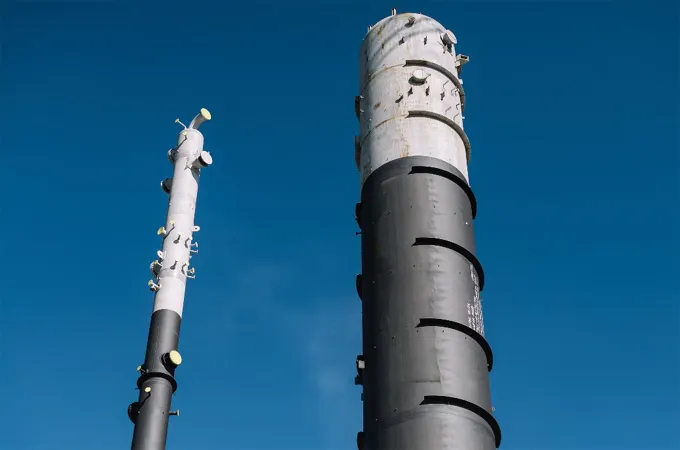
Shell, Schneider Electric and Axens have completed the installation of an industrial-scale electric tubular heater at Shell’s R3 base oil project in Germany, marking a step forward in the electrification and decarbonisation of energy-intensive refinery processes.
The installation at
the Shell Energy and Chemicals Park Rheinland is the first of its kind at
industrial scale in Europe, according to the companies.
It is part of Shell’s
wider effort to repurpose the Rheinland site and reduce its carbon footprint.
The electric heater is
designed to replace conventional fired heating with an alternative capable of
operating without direct carbon dioxide (CO₂) and nitrogen oxide (NOx)
emissions.
The project
demonstrates how electrification, process technology and site integration can
be combined to reduce emissions from refinery heating.
Axens provided its
Heurtey Petro Solutions Electric Tubular Radiant Heater technology, designed to
meet the process requirements of base oil distillation.
Schneider Electric
supplied a modular, prefabricated power system incorporating electrical
distribution switchgear, transformers and a power control system linked to
Axens’ process control system.
The system has been
integrated into Shell’s existing infrastructure to support safe, reliable and
optimised operations.
Its integrated power
and process approach enables rapid power modulation and precise heating control
while meeting Shell’s power quality and design requirements.
The companies said the
project highlights the importance of collaboration between industrial
operators, process technology providers and electrification specialists in
scaling lower-carbon solutions.
The installation forms
part of Shell’s broader strategy to transform the Rheinland site and reduce
emissions from its operations.
It also provides an industrial-scale example of how electrified heating could support the decarbonisation of energy-intensive processes where conventional fired heaters remain widely used. -OGN/TradeArabia News Service