United Solar has welcomed new measures by the US aimed at strengthening domestic polysilicon production and improving the resilience of solar and semiconductor supply chains.
The measures, outlined
in a Proclamation signed on August 6, 2026, establish a minimum import price of
$21 per kilogram for polysilicon, alongside price floors for polysilicon ingots
and wafers, solar cells and modules.
They also introduce an
additional 15 per cent ad valorem duty on downstream polysilicon derivatives.
The measures are due
to take effect on December 4, 2026.
United Solar said the
action reflects growing recognition of polysilicon as a strategically important
material rather than a conventional commodity input.
The company said it
supports efforts to develop more diversified and secure supply chains while
providing greater clarity for manufacturers making long-term sourcing
decisions.
The minimum import
price will apply to polysilicon imports from all origins, potentially changing
purchasing priorities for US buyers.
United Solar said
purchasers are likely to increasingly consider supply security, traceability
and diversity alongside price.
The measures
differentiate between stages of the solar value chain. Raw polysilicon will be
subject to the minimum import price but not the additional duty, while ingots,
wafers, cells and modules will face both the price floor and 15 per cent duty.
United Solar said the
structure could encourage investment in US-based ingot, wafer and cell
manufacturing by keeping polysilicon feedstock accessible while supporting
domestic downstream production.
The Proclamation also
allows the Commerce Secretary to grant tariff relief to companies committing to
onshore parts of the solar value chain.
The company said it is
positioned to support such expansion as a supplier of high-purity polysilicon.
It also welcomed
compliance requirements, including certification at entry and penalties for
inaccurate documentation, saying stronger verification standards can help
distinguish traceable supply from material that cannot be verified.
“The United States has
recognised polysilicon as a strategic material, and we welcome that,” said
Binyam Giorgis, Group CFO of United Solar. “When a price floor applies to
polysilicon of every origin, the question for a buyer is no longer just the
cheapest price but scale, reliability and verified traceability. Buyers need
suppliers who can demonstrate where their material comes from rather than
simply assert it. That is what United Solar was built to provide, and we will
continue to support our customers and partners as these measures take effect.”
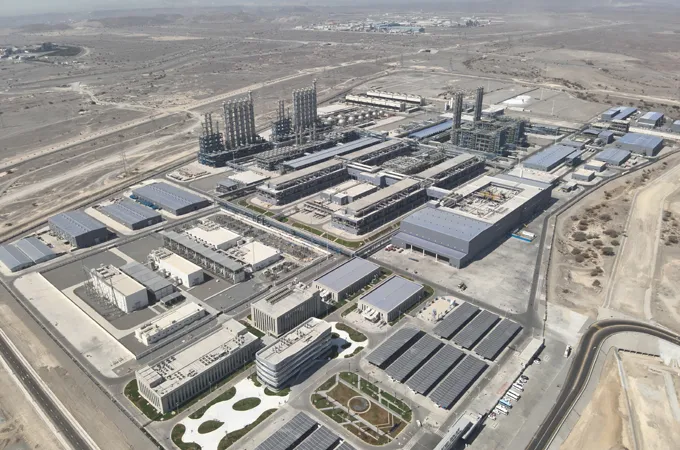
United Solar’s
100,000-tonne-per-year polysilicon facility in Oman’s Sohar Free Zone began
operations in January 2026.
At full capacity, the
facility is expected to support production of about 40 gigawatts of solar
modules annually.
The company said the facility supports Oman’s economic diversification goals under Oman Vision 2040 and is expected to create nearly 3,000 direct and indirect jobs. -OGN/TradeArabia News Service