Dubai’s luxury real estate developers must treat wellness as the new baseline for how homes are designed and built, as global demand grows for healthier living environments, said leading UAE luxury developer Keturah.
Earlier this year, the Global Wellness Institute (GWI) had identified the UAE as one of the world's fastest-growing wellness real estate markets.
Wellness real estate now represents more than 12% of all construction in the UAE, with the market having grown from $3.3 billion to $14.6 billion between 2017 and 2025, it stated.
According to GWI, the industry's next phase is the normalisation of health-supportive design as a standard expectation rather than a luxury feature.
It believes the greatest opportunity now lies in closer collaboration between planners, architects, public health leaders and wellness professionals to create homes and communities that proactively support long-term health.
Keturah has backed the GWI's findings, saying the shift towards health-focused design presents an opportunity for the wider industry to work together in raising standards, and reinforcing city's position as a global leader in wellness real estate.
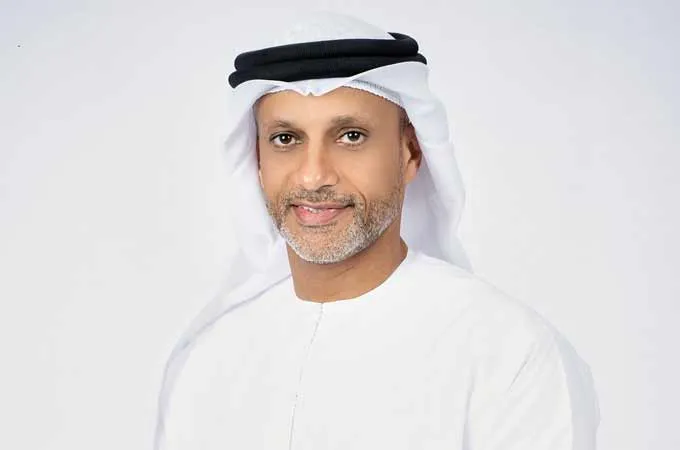
"The next phase for the industry is collaboration rather than competition," remarked its CEO and Founder Talal M. Al Gaddah.
"We need planners, architects, public health leaders and wellness professionals working together, not developers acting alone. Dubai has the government vision and the market momentum to lead this globally, and now the wider industry needs to catch up," he stated.
The GWI's latest Initiative Trends report projects the global wellness real estate sector will exceed $1 trillion by 2029, reflecting a transition from wellness as a luxury aspiration to evidence-based infrastructure.
It also reported that more than 555,000 wellness-focused residential units were in the pipeline at developments across the UAE and Saudi Arabia.
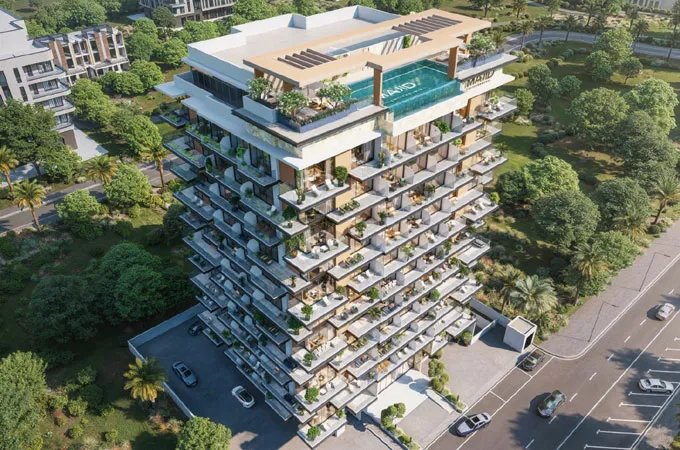
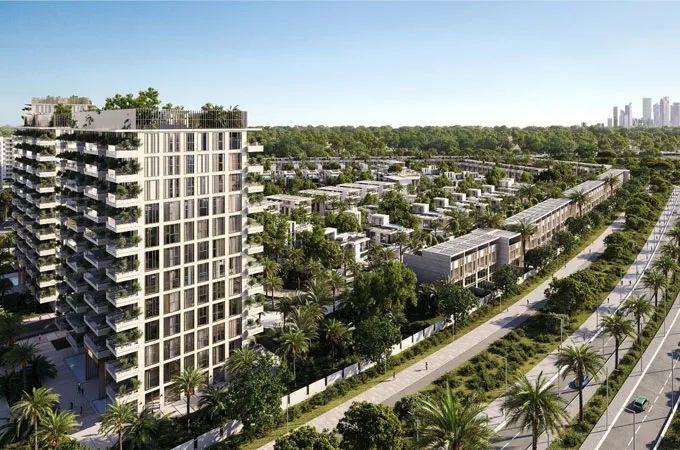
In Dubai, these include Keturah Reserve, the AED5.7 billion ($1.5 billion) bio-living community in Mohammed Bin Rashid City’s District 7, and the Ritz-Carlton Residences at Keturah Resort beside Dubai Creek, set to become the region’s first wellness-certified waterfront community.
The four main wellness in real estate trends highlighted by the GWI include primal architecture, which uses softer lighting, natural materials and intuitive wayfinding to help shift occupants from stress to calm.
Another is neuroarchitecture, which applies neuroscience to understand how light, acoustics and spatial design influence mood, cognition and long-term health.
The GWI also identifies a growing move towards designing out microplastics by replacing synthetic finishes with more natural materials such as wool, stone and solid wood, recognising the built environment as an important part of preventive healthcare.
It also highlights the role of healthier, more walkable communities in supporting mobility, independence and ageing well, with better designed surroundings helping people maintain wellbeing throughout their lives.-TradeArabia News Service