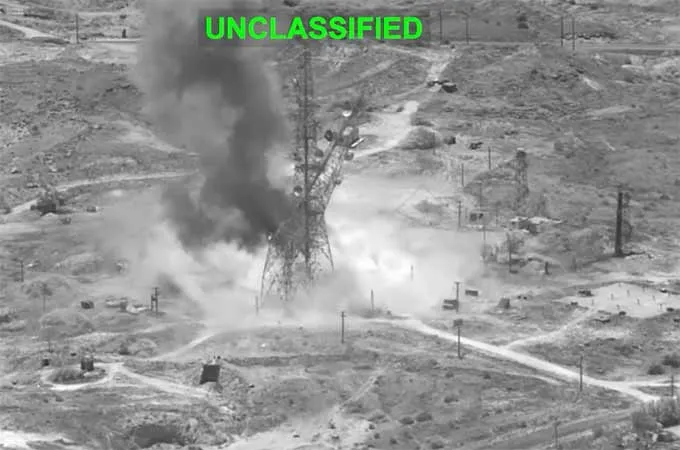
The United States launched fresh waves of air strikes against Iran on Wednesday, targeting military infrastructure linked to Tehran's ability to threaten shipping in the Strait of Hormuz, while Iran retaliated with attacks on US military sites across the region, pushing the Gulf closer to a broader conflict.
The latest escalation comes amid reports that US President Donald Trump is weighing an even broader operation. According to US officials cited by CNN, Trump is considering expanding operations to seize or neutralise Kharg Island, Iran's principal oil export terminal, and to strike hardened underground facilities at Pickaxe Mountain.
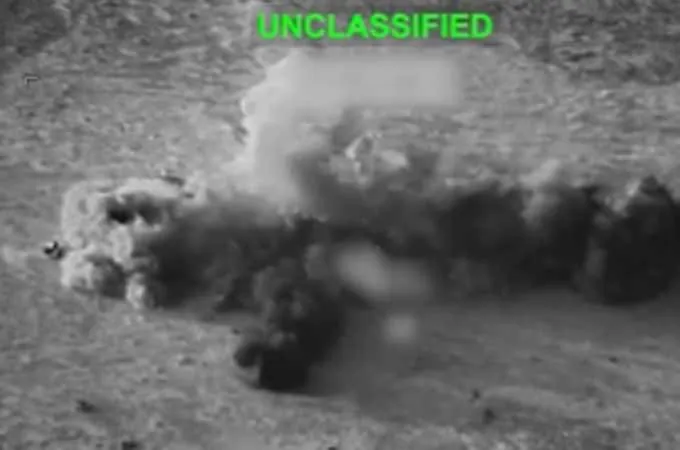
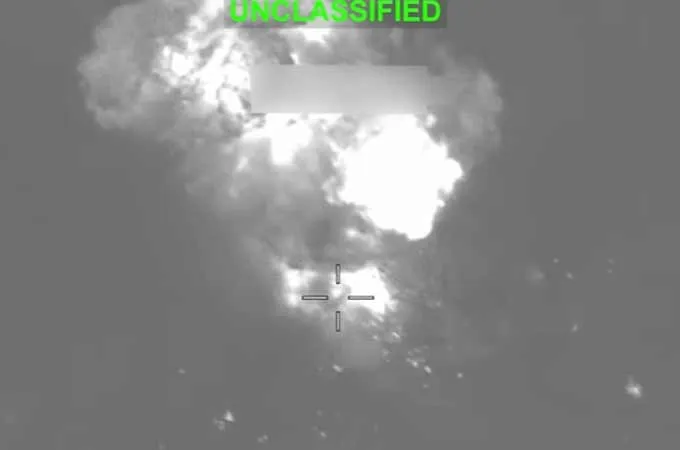
The US Central Command (CENTCOM) said American forces carried out two waves of precision strikes during the day. The first targeted coastal defence and cruise missile positions on Greater Tunb Island, a strategically located island overlooking the Strait of Hormuz. A second, larger wave later struck Iranian command centres, air defence systems, missile and drone facilities, and coastal surveillance sites, including around Bandar Abbas.
CENTCOM said the attacks were intended to further degrade Iran's ability to threaten commercial shipping transiting the Strait of Hormuz, through which roughly one-fifth of the world's seaborne oil trade passes.
Washington also confirmed that it disabled an empty oil tanker sailing toward Kharg Island, marking the first vessel intercepted since the US reinstated its naval blockade of Iranian ports earlier this week.
The military said two commercial vessels had also been redirected under the blockade, while shipping traffic through the waterway remained well below normal levels, with only 13 commercial ships transiting the strait over the past 24 hours.
The renewed military campaign has intensified concerns that the confrontation is evolving from a limited exchange into a sustained effort to establish control over one of the world's most strategically important maritime chokepoints.
Iran responded by launching missile and drone attacks against US military installations in neighbouring countries. The Islamic Revolutionary Guard Corps (IRGC) said it struck American targets in Bahrain, Kuwait and Jordan, including what it described as a gathering of US military personnel and a radar installation at Ali Al Salem Air Base in Kuwait.
Iranian authorities also reported explosions in several parts of the country, while air defence systems were activated around Tehran during the early hours of Thursday.
Iran's parliament speaker and chief negotiator, Mohammad Baqer Qalibaf, described the confrontation as an "essential and existential war with America" and said Iran's security depended on maintaining what he called Iranian control over arrangements in the Strait of Hormuz.
Iran's Foreign Ministry ruled out negotiations with Washington under current conditions, saying Tehran would continue to respond "firmly" to US attacks.
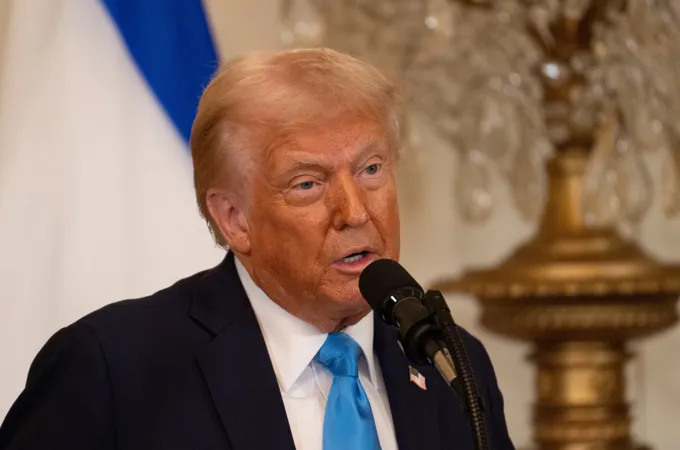
Speaking at the Pennsylvania Defense and Innovation Summit, Trump said Iran wanted to "settle so badly" but warned Washington was prepared to continue military operations if no agreement was reached.
"They don't like what we're doing, and they do want to settle," Trump said. "We'll find out whether or not we settle with them, or we just finish it off."
In a separate development, Trump said Iran had released American citizen Dena Karari, who he said had been wrongfully detained since December 2024.