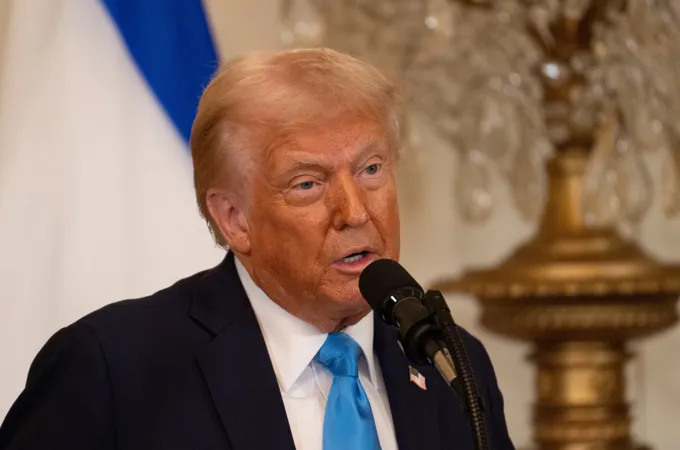
US President Donald Trump said on Wednesday that the interim agreement between the United States and Iran aimed at ending weeks of hostilities was effectively "over," following a sharp escalation in military exchanges across the Gulf that has further rattled global energy markets and disrupted shipping through the Strait of Hormuz.
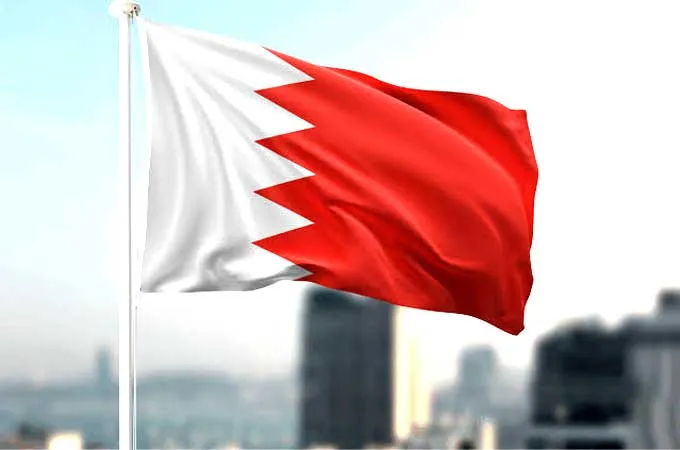
Speaking at the NATO summit in Turkey, Trump said he no longer believed the memorandum of understanding (MoU) signed with Tehran last month remained viable after Iran retaliated against fresh US military strikes by launching missiles and drones at American military facilities in Bahrain and Kuwait.
"I think it's over," Trump told reporters. "I don't want to deal with them anymore. They're scum. They're sick people, they're led by sick people. As far as I'm concerned, it's over."
While saying negotiators from both sides were free to continue talks, the US president dismissed any prospect of meaningful diplomacy. "They can keep talking if they want, but I think they're wasting their time," he said.
Trump's remarks cast serious doubt over the future of the 14-page memorandum signed only weeks ago, which sought to extend a ceasefire and end the conflict "on all fronts" after months of rising tensions between Washington and Tehran.
US-Iran strikes deepen conflict
Trump's announcement came after one of the most intense rounds of military exchanges since the conflict began.
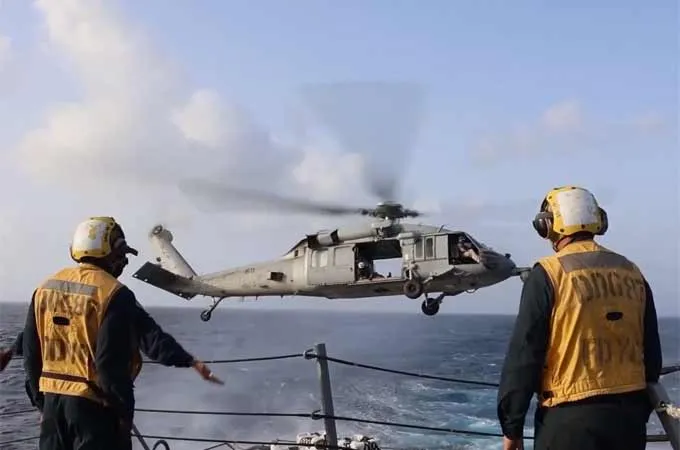
The US military said it struck more than 80 Iranian military targets late Tuesday, describing the operation as retaliation for Iranian attacks on three commercial vessels transiting the Strait of Hormuz. Washington also reimposed sanctions designed to block Iranian oil exports, effectively ending Tehran's ability to sell crude in international markets.
Iran has not formally claimed responsibility for the attacks on the vessels, but responded with a barrage of missiles and drones targeting US military installations and allied facilities across Bahrain and Kuwait.
Iran's Islamic Revolutionary Guard Corps (IRGC) said it struck 85 military targets in the two Gulf states in retaliation for the US offensive.
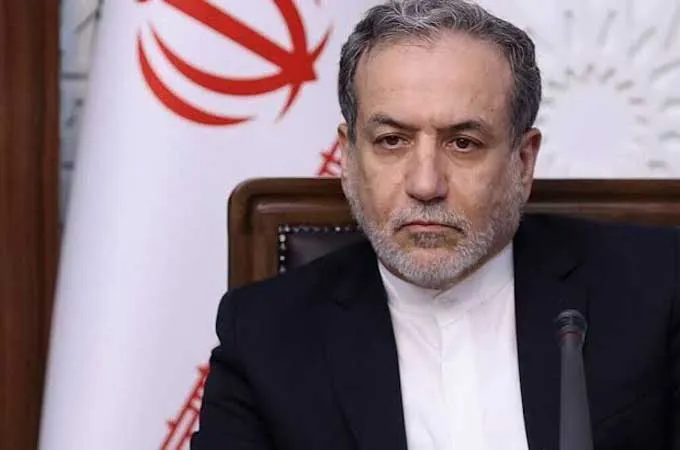
Iran's Foreign Ministry said the latest US and Israeli military actions had "rendered key and fundamental elements of the agreement to end the war ineffective," accusing Washington of violating the understanding first.
Iranian parliamentary speaker Mohammad Bagher Ghalibaf also blamed the United States for breaching the truce.
NATO Secretary General Mark Rutte, however, defended Washington's actions, saying the US strikes were "absolutely necessary" and accusing Iran of violating the ceasefire through its attacks on shipping and regional targets.
Shipping disrupted in Strait of Hormuz
The renewed fighting has intensified concerns over security in the Strait of Hormuz, through which roughly one-fifth of the world's oil supplies pass.
According to shipping data reported by Reuters, at least four oil and liquefied natural gas (LNG) tankers abandoned plans to transit the strategic waterway after Tuesday's attacks.
Three empty QatarEnergy-controlled LNG carriers — Al Ghariya, Duhail and Al Ruwais — turned back before entering the strait and returned toward Qatar's Ras Laffan export terminal.
Indian-flagged crude tanker Lila Vadinar, carrying around two million barrels of Kuwaiti crude, also reversed course near the entrance to the Strait of Hormuz.
Despite the heightened risks, some shipping continues. The very large crude carrier (VLCC) Mercury Hope, carrying approximately two million barrels of crude from the United Arab Emirates, successfully exited the strait on Wednesday.
Separately, Qatari LNG tanker Al Rekayyat remained disabled near the Strait after being struck by a projectile overnight. Industry sources said the vessel suffered a fire in its engine room while carrying a full LNG cargo.
All crew members were safely evacuated, while emergency teams continued efforts to extinguish the fire. Industry officials said the vessel's LNG storage tanks remain intact, avoiding what experts warned could have been a catastrophic explosion had the cargo tanks been breached.
Kuwait condemns attacks
Kuwait condemned the Iranian missile and drone attacks as a serious violation of international law, describing strikes on its territory as a "red line."
"The continuation of these brazen aggressions, at a time when regional and international efforts aimed at de-escalation are underway, constitutes a systematic undermining of efforts to reduce tensions," Kuwait's Foreign Ministry said.
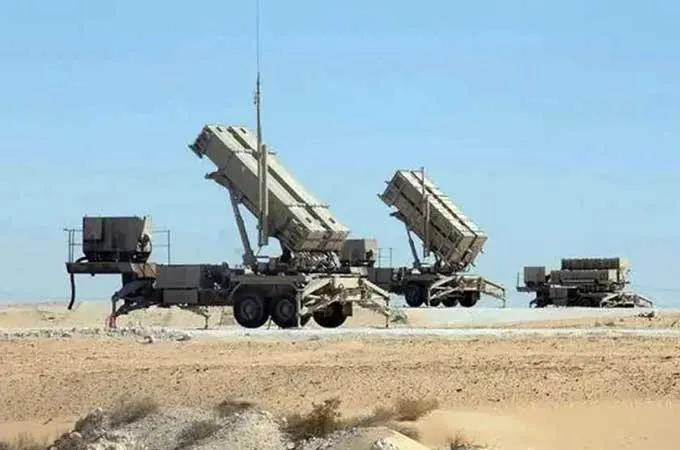
The state-run Kuwait News Agency reported that the country's air defence systems intercepted and destroyed two ballistic missiles and 13 unmanned aerial vehicles over the past 24 hours.
Authorities also said debris from intercepted missiles damaged sections of the national electricity transmission network, with repair work continuing.