Diplomatic efforts to end the ongoing US-Iran conflict showed little progress on Monday, as talks remained stalled and Iran’s top diplomat travelled to Russia for high-level consultations, while US President Donald Trump signalled a tougher stance on negotiations.
Iranian Foreign Minister Abbas Araghchi arrived in Russia and is expected to meet President Vladimir Putin in St Petersburg, following a weekend of engagements with mediators in Pakistan and Oman.
Araghchi described the visit as an opportunity to “consult with our Russian colleagues regarding developments related to the war,” according to remarks published by Iranian state media shortly after his arrival. He added that Tehran has traditionally held discussions with Moscow on regional and international issues, as well as bilateral relations.
The diplomatic activity comes against the backdrop of faltering peace efforts. President Trump said on Sunday that Washington had cancelled a planned envoy visit to Pakistan after Iran declined direct talks, adding that Tehran “can call” if they want to talk.
“They know what has to be in the agreement. It’s very simple: They cannot have a nuclear weapon; otherwise, there’s no reason to meet,” Trump said, while maintaining that the conflict could “come to an end very soon.”
Iran has consistently argued that its nuclear programme is for peaceful purposes and has demanded recognition of its right to enrich uranium — a position disputed by Western powers, which suspect potential weapons development.
Iran’s President Masoud Pezeshkian told Pakistani Prime Minister Shehbaz Sharif that US actions were undermining trust and complicating efforts to reach a diplomatic solution, according to Iranian state media.
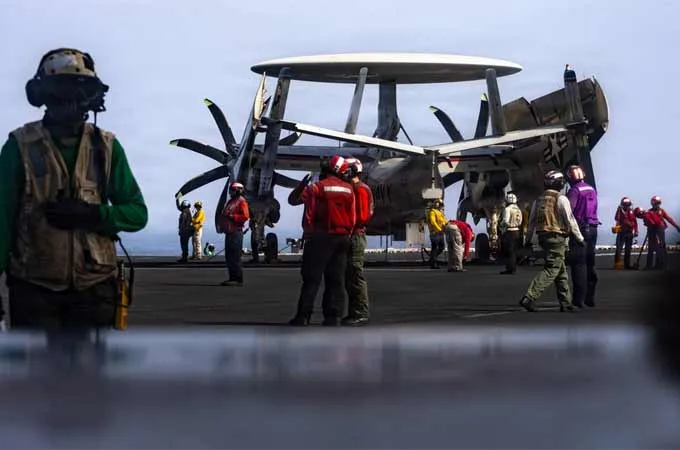
Pezeshkian also reiterated that Tehran would not enter what he described as “forced negotiations” and insisted that a US naval blockade at Iranian ports must be lifted before any agreement could be reached.
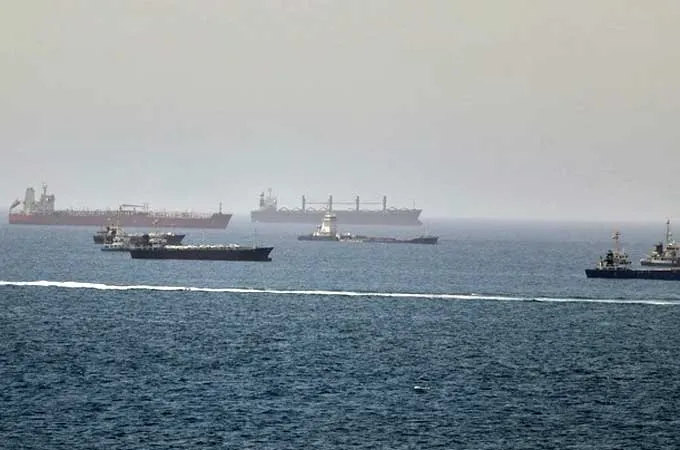
The impasse follows renewed tensions in the Strait of Hormuz, a vital global energy corridor, which Iran has moved to restrict amid the conflict. Iranian officials have warned the waterway may not return to normal operations under current conditions, with one senior lawmaker suggesting that disruptions could impact a significant portion of the global economy.