The world’s energy innovation landscape is entering a new phase shaped by energy security, industrial competitiveness and infrastructure resilience, according to the International Energy Agency’s (IEA) latest State of Energy Innovation report.
The second edition of
the report – which will inform discussions at the 2026 IEA Energy Innovation
Forum on February 18– finds that energy technologies now represent
multi-trillion dollar global markets, with the energy sector increasingly
becoming an innovation powerhouse spanning batteries, transformers, turbines,
motors and heat exchangers.
Around one in ten
patents worldwide relates to energy – more than for chemicals, pharmaceuticals
or transport – underlining the sector’s central role in national security,
industrial strategy and economic performance.
The 2026 edition
identifies over 150 major innovation highlights during the year, spanning
solid-state air conditioning, perovskite solar cells, fusion energy, sodium-ion
batteries and next-generation geothermal systems.
These advances
contributed to 50 upgrades in technology readiness levels among emerging energy
technologies tracked by the IEA.
At the same time, the
policy context is shifting. In a survey of experts and practitioners, energy
security emerged as the leading driver of innovation in 2025, ahead of
affordability and emissions reduction.
New initiatives such
as the US Genesis Mission and the EU Competitiveness Fund reflect growing
emphasis on strengthening domestic technological capabilities and securing
critical supply chains.
“Energy innovation has
become a strategic priority for governments around the world,” said IEA
Executive Director Fatih Birol. “With energy security and industrial
competitiveness at the top of the agenda, countries that sustain investment in
research, demonstration and early deployment will be best positioned to lead
the next generation of energy technologies.”
The report underscores
the enduring impact of public support for energy innovation.
Recent examples show
that early government funding laid the groundwork for floating liquefied
natural gas, lithium-ion batteries and next-generation geothermal.
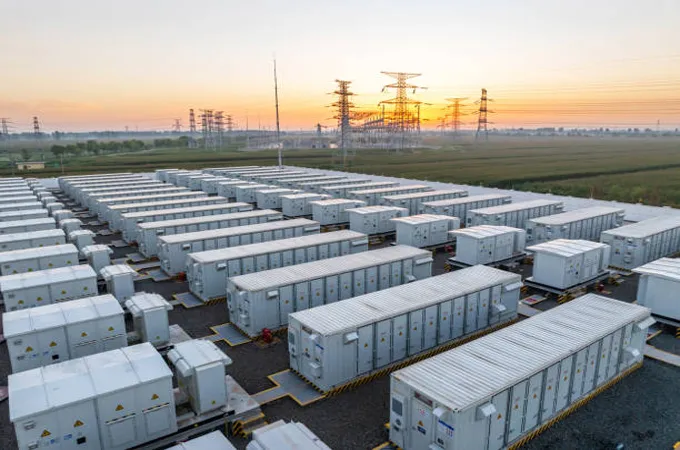
Energy storage has
moved to the forefront of global innovation activity, highlighting its growing
role in national security and power systems as the world enters the Age of
Electricity.
Batteries accounted for 40 per cent of all
energy patenting in 2023 – an unprecedented share for a single technology area
– and the proportion is expected to have risen further based on
preliminary data for 2024 and 2025.
China, Korea, and
Japan remain leading sources of lithium-ion battery patents, with China’s share
rising sharply over the past decade.
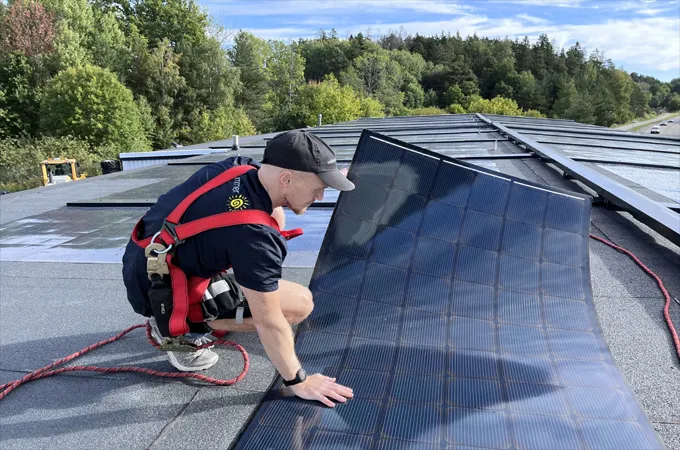
In solar innovation,
patenting has shifted toward perovskite solar cells, which now account for over
70 per cent of solar cell patents by material.
Comprehensive
evaluations of long-running public R&D programmes indicate that economic
benefits can be several times – and in some cases hundreds of times – greater
than their costs, through fuel savings, lower equipment prices and stronger
domestic industries.
However, funding
trends are now in transition.
Public energy R&D
spending in 2025 was estimated at $55 billion globally, down 2 per cent from
the previous year, while corporate R&D growth eased to 1 per cent in 2024 –
slower than in any year since 2015, with the exception of 2020 when activity
was disrupted by the Covid-19 pandemic.
Venture capital
investment in energy technology start-ups fell for the third consecutive year,
to $27 billion in 2025.
The report notes that
higher interest rates, macroeconomic uncertainty and strong competition from
artificial intelligence ventures have weighed on energy capital flows.
The share of global VC
funding directed to AI rose to almost 30 per cent in 2025, while energy’s share
declined.
Nevertheless, new
growth areas are emerging.
Funding for fusion,
nuclear fission, critical minerals, geothermal, carbon dioxide removal and
low-emissions industry has expanded sharply since 2021, offsetting much of the
decline in electric mobility investment.
The report also finds
that regional approaches to energy innovation are becoming increasingly
distinct.
China continues to
expand its footprint across corporate R&D and patenting, particularly in
energy storage and industrial efficiency, with international patent
applications rising sharply in recent years.
Reaching around 0.08
per cent of GDP, Europe’s public energy R&D intensity is nearing the record
highs recorded in the 1980s and now exceeds that of other major advanced
economies.
In addition, its
start-up ecosystem has become more dynamic even as patenting has softened in
some major economies.
The US remains a global leader in VC activity,
accounting for nearly half of energy VC in 2025, and maintains strengths across
a broad range of technologies.
Japan, meanwhile,
remains highly specialised in batteries, while advancing in perovskite solar,
hydrogen-based fuels and fusion.
Against a backdrop of
shifting policy priorities and tighter financial conditions, the report
stresses that sustained and well-targeted public support remains critical.
Aligning energy
innovation strategies with broader competitiveness and resilience goals will be
essential, particularly where technologies can strengthen domestic supply
chains or reduce strategic dependencies.
Ensuring access to
funding across all stages of development – especially as private capital
becomes more selective – and reinforcing partnerships across research, industry
and finance will be key to maintaining momentum.
According to the
report, while priorities may shift, the case for sustained and strategic
support for energy innovation remains strong.
With energy innovation becoming increasingly foundational to modern economies, evidence shows it can deliver transformative economic and security benefits over decades. -OGN/TradeArabia News Service