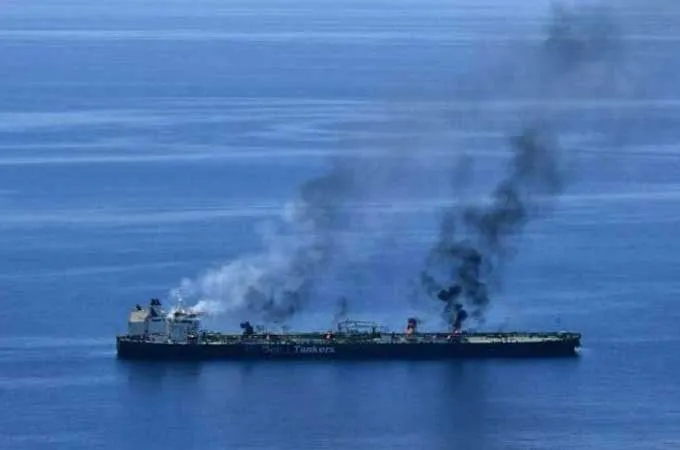
The credit impact of a potential escalation between Iran and the US will remain contained, similar to June 2025 (targeted and limited in scale and duration), says S&P Global Ratings in a published report.
While the immediate threat of military escalation in the Middle East appears to have receded, prolonged tensions--including between the US and Iran--still pose a risk that could weigh on regional credit.
"We consider that an escalation between Iran and its proxies and the US and its allies would increase uncertainty but is unlikely to materially affect sovereign and bank credit profiles across the wider Middle East region," S&P Global Ratings analyst Benjamin Young says in "Middle Eastern Sovereigns And Banks Should Remain Resilient To Most Scenarios Of Prolonged U.S.-Iran Tensions," published January 19.
Geopolitical risks are factored into our sovereign ratings for the region, but their impact varies, and some countries are more vulnerable to specific disruptions. While Gulf Cooperation states are progressing with economic diversification, oil revenue remains a significant driver of economic activity.
"We note that Middle East sovereign ratings have demonstrated significant resilience to previous episodes of sharp escalations in geopolitical risk and their accumulated financial buffers remain a supportive factor in our assessments. Our sovereign ratings in the Middle East region incorporate an expectation that shorter-term increases in geopolitical stress and some oil price volatility will occur (higher oil prices have benefitted exporters as export routes and production facilities have remained open)."
Broader regional credit risks would emerge mainly through trade disruption (volatile oil prices), capital outflows, weaker growth, and financial volatility. Overall, a complex, unpredictable, and protracted regional conflict, would likely have adverse implications for the creditworthiness of regional banks, the agency says. - TradeArabia News Service