Governments across the GCC deployed an estimated $110 billion in investment expenditure in 2024, with significant allocations directed toward infrastructure, special economic zones and logistics-linked connectivity. The UAE and Saudi Arabia have emerged as the region’s primary engines of transport and trade transformation, with combined logistics investments and accelerating demand for project cargo and heavy-lift logistics.
These dynamics will be in sharp focus at the 10th edition of Breakbulk Middle East 2026 in Dubai this February.
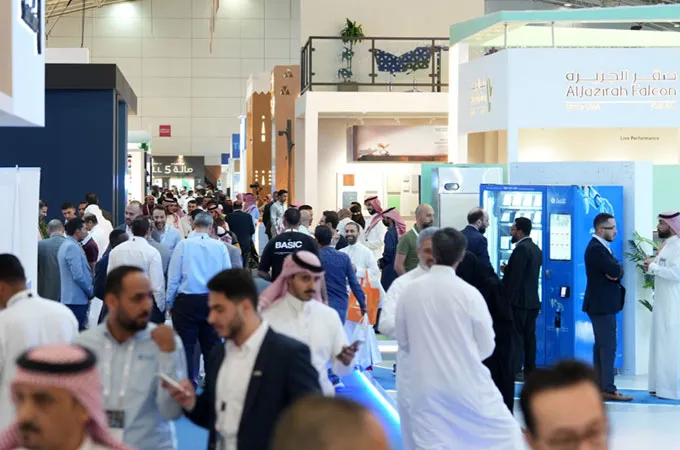
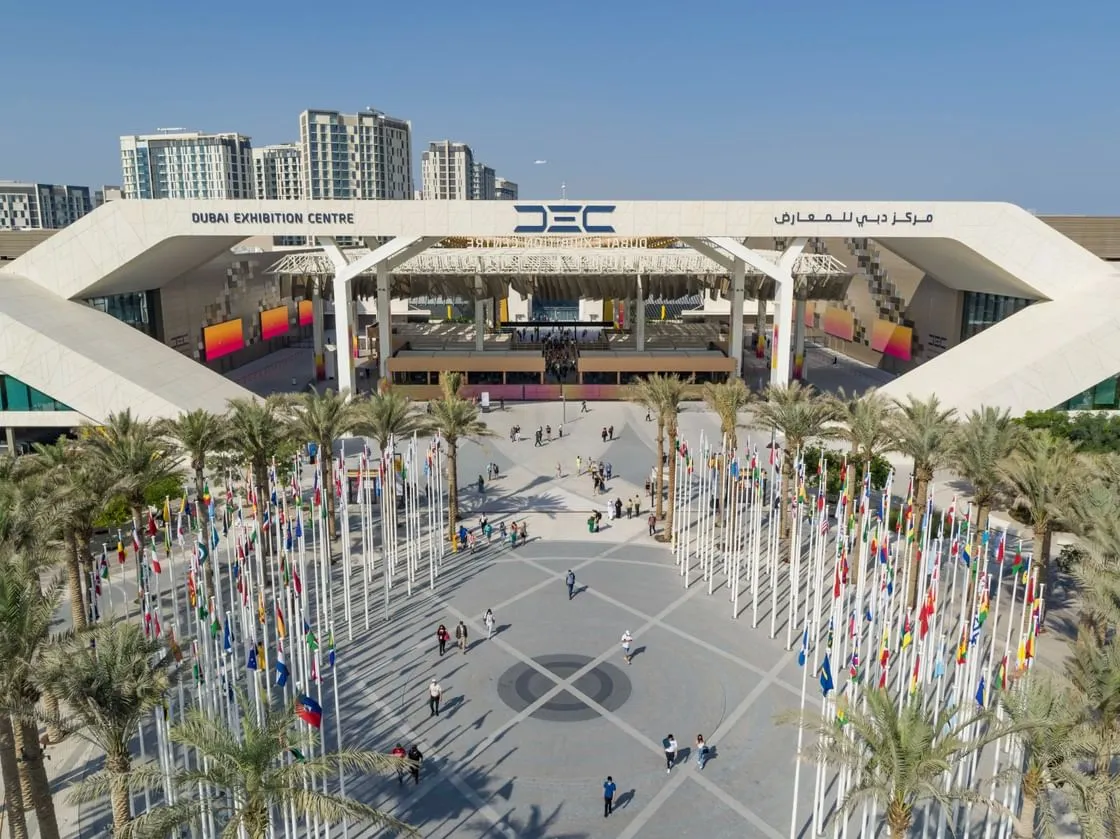
Breakbulk Middle East will be held at the Dubai World Trade Centre on February 4 to 5, convening global companies responsible for planning and executing complex cargo movements across energy, infrastructure, renewables, industrial manufacturing and mining.
The event brings together project owners, EPCs, freight forwarders, carriers, ports and terminals at the point where capital deployment, route selection and execution capability intersect.
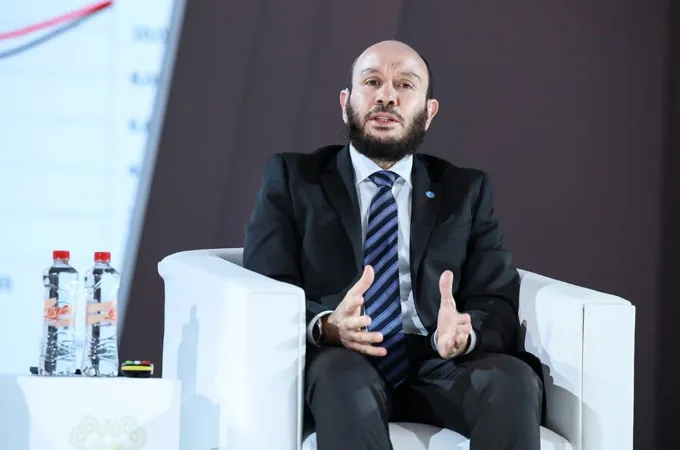
“Breakbulk Middle East serves as an essential forum connecting stakeholders across the UAE’s infrastructure, logistics and energy sectors, reflecting our national agenda to enhance the UAE’s role as a global trade and project cargo hub,” remarked Eng. Mohammed Al Mansoori, Undersecretary for Infrastructure and Transport at the Ministry of Energy and Infrastructure of the UAE.
“This event supports our drive to advance more efficient, digitally enabled and sustainable supply chains that contribute to long-term economic growth and the achievement of our net-zero by 2050 goals,” he stated.
Logistics is shaping trade resilience, infrastructure delivery and national competitiveness across the Middle East. Governments are investing at scale to support mega-project execution and reinforce global gateway positions.
In Saudi Arabia, more than $74 billion has been committed to transport and logistics investment, while the UAE aims to grow the sector’s contribution to GDP from approximately $37.2 billion in 2024 to $54.5 billion in the coming years, strengthening the region’s role as a connector of East–West and South–South trade corridors.
Dubai has been ranked among the world’s top five global maritime hubs and first in the Arab region in the 2025 International Shipping Centre Development Index, reflecting its strategic role in global trade and connectivity.
The ranking highlights expanded maritime transport activity, enhanced marine logistics infrastructure and continued investment aligned with Dubai Economic Agenda D33.
DP World has outlined a series of strategic investments and operational enhancements across its global network, reinforcing the scale of opportunity forproject cargo and heavy-lift logistics providers operating through the region.
These include a new 36-hour maritime service between Dubai’s Mina Rashid and Iraq’s Umm Qasr Port, improving connectivity and transit times, alongside multi-billion-dollar logistics and infrastructure investment programmes across key markets, including India.
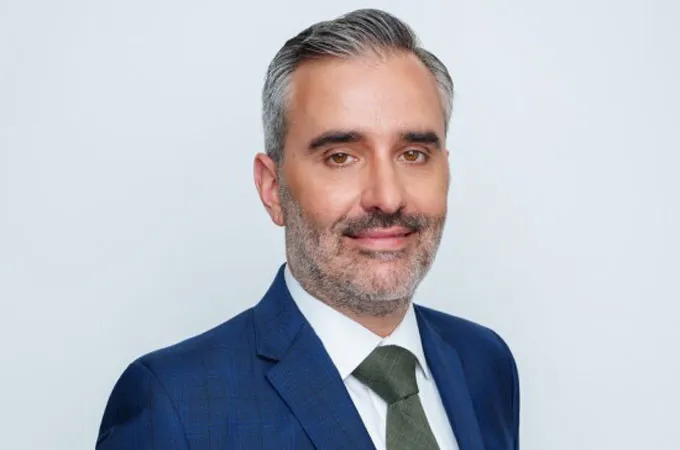
“Breakbulk Middle East has become a key platform for companies looking to tap into the opportunities created by the UAE’s continued rise as a global logistics hub,” said Shahab Al Jassmi, Chief Commercial Officer – Ports & Terminals, DP World GCC.
“DP World is proud to support an event that attracts the full breadth of the project cargo community and connects our ports and partners with fast-growing markets across the Middle East, Africa and beyond,” he added.
This year’s Main Stage will examine the regions and sectors shaping global project cargo demand, from GCC giga-projects and emerging trade corridors into Iraq, to Africa’s expanding role in critical minerals and port development.
The agenda also addresses fleet capacity and readiness, including vessel renewal, alternative fuels and crew availability, alongside energy transition logistics spanning oil, gas, LNG, renewables and emerging nuclear. Practical applications of AI and digital tools in logistics and project operations will complete the programme, with a focus on execution, efficiency and risk management.
“Sponsoring the Main Stage allows us to support the conversations that matter as the region moves through rapid industrial and economic growth,” said Arnoud Dekkers, Head of Business Development, DHL Industrial Projects Middle East and Africa.
“The agenda at Breakbulk Middle East aligns with DHL’s significant investment plan, including more than €500 million for the Middle East and a further €300 million earmarked specifically for Africa, to expand sustainable logistics infrastructure across the region. This includes major investments in Saudi Arabia’s Special Integrated Logistics Zone and a new €120 million carbon-neutral multi-user facility in Dubai South,” he noted.
Ben Blamire, Event Director for Breakbulk Middle East, said: “The growth of this event has been phenomenal, and we’re focused on ensuring it continues to evolve alongside the region’s expanding project cargo landscape. We want to keep expanding Breakbulk Middle East so more industry players can be part of the transformation underway across the region.”
As the GCC continues to channel large-scale capital into logistics, trade infrastructure and industrial development, Breakbulk Middle East is positioning itself as a reference point for the global project cargo community. The event provides a platform for decision-makers to examine emerging trade corridors, align execution capabilities with investment pipelines and assess the evolving risk environment shaping cross-border project delivery. As global supply chains undergo structural change, the conversations taking place in Dubai will help define how the region supports the next cycle of industrial growth.-TradeArabia News Service