A new PwC Middle East report, ' AI at the heart of tourism and hospitality: powering personalisation, efficiency and growth', reveals that while 91% of regional industry leaders are already piloting or using AI technologies, only 3% have achieved full-scale implementation.
The study, based on a survey of regional C-suite and senior
leaders from leading hospitality organisations across the region, shows that AI
adoption is advancing but uneven with uneven, with significant room for growth
as the sector races toward 2030.
Across the Middle East, countries are rapidly deploying AI
and smart digital technologies to elevate visitor experiences and strengthen
tourism's contribution to national economic transformation agendas.
In Saudi Arabia, AI is central to Vision 2030's ambition of
welcoming 150 million annual visitors and increasing tourism's share of GDP
from 3% to 10%.
Similarly, the UAE is positioning itself as a global leader
in AI-powered hospitality, using data and digital tools to enhance guest
experiences, support secure data exchange, provide real-time insights for the
tourism sector, and strengthen sustainable smart city practices.
The report examines AI’s impact across four critical areas
of the tourism and hospitality ecosystem:
Guest experience: Enhancing personalisation and anticipating
traveller needs through real-time data and predictive insights.
Operations and data infrastructure: Connecting fragmented
systems, automating processes, and enabling intelligent, data-driven
management.
Human resources: Empowering employees with AI-driven
training, adaptive learning, and workforce analytics to build a future-ready
workforce.
Channel management: Optimising pricing, visibility, and
reputation across digital platforms through smarter, AI-enabled
decision-making.
According to Moussa Beidas, Partner, Ideation lead at PwC
Middle East: “To unlock AI's full potential in tourism and hospitality,
industry leaders must move from pilots to scale, delivering personalised,
predictive, and seamless guest experiences. Success will depend on embedding AI
fluency across teams, strengthening data and reputation management, and
expanding proven solutions that demonstrate real impact. Together, these
actions will turn experimentation into enterprise-wide transformation. A future
that is tech-powered and human-led will define the next era of hospitality
excellence.”
Jonathan Worsley Chairman & CEO, The Bench - Organisers
of the Future Hospitality Summit said: “The opportunity with AI isn’t 'code'
for replacing people, but in empowering them with intelligence that deepens
human connection, anticipating guest needs, optimising what already works, and
building more resilient, sustainable solutions. The industry’s evolution will
depend on how effectively we align technology with purpose, data with empathy,
and innovation with authenticity. Furthermore, as operations become smarter and
more efficient, hotel investment will strengthen in both financial
sustainability and long-term value creation; a dialogue that continues to shape
our conversations across FHS.”
The report calls for a balanced approach to AI implementation
one that starts small with high-impact, low-hanging opportunities using
high-quality data, then reinvests the gains to scale what works.
Rather than replacing legacy systems entirely.
the study also emphasises connecting existing infrastructure
intelligently to drive measurable results also highlighting the critical need
for continuous learning models, internal talent development and clear data
governance frameworks that protect travellers while enabling innovation.
As the travel and tourism sector heads toward 2030, AI
stands at the core of its evolution, making journeys smarter, experiences
richer and destinations more competitive.
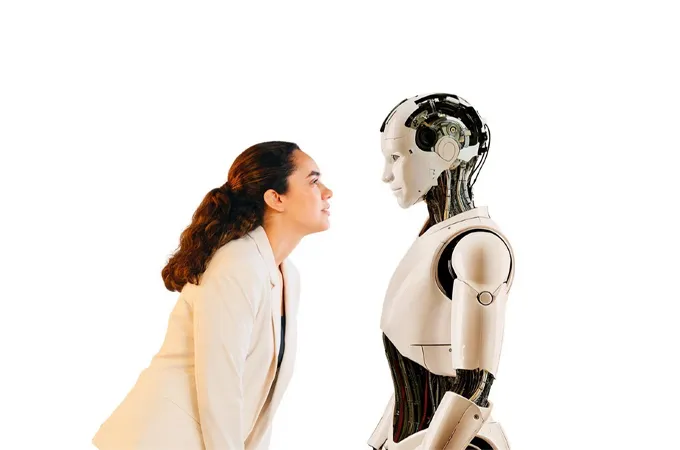
The integration of AI is set to transform rather than
replace the workforce, with 77% of respondents expecting it to create new roles
within five years.
This shift toward
human machine collaboration will see employees increasingly focused on managing
and optimising AI systems to enhance accuracy and guest experiences, blending
automation with authenticity to deliver more meaningful, memorable experiences. -TradeArabia News Service