hte has completed a high throughput testing campaign in collaboration with VAROPreem to evaluate the conversion of field cress oil into renewable transportation fuels, highlighting the potential of advanced experimentation to accelerate the development of sustainable fuel production processes.
The project focused on field cress, a winter-hardy oilseed
crop developed for Nordic agricultural conditions, as refiners increasingly
explore alternative renewable feedstocks to support transportation
decarbonisation.
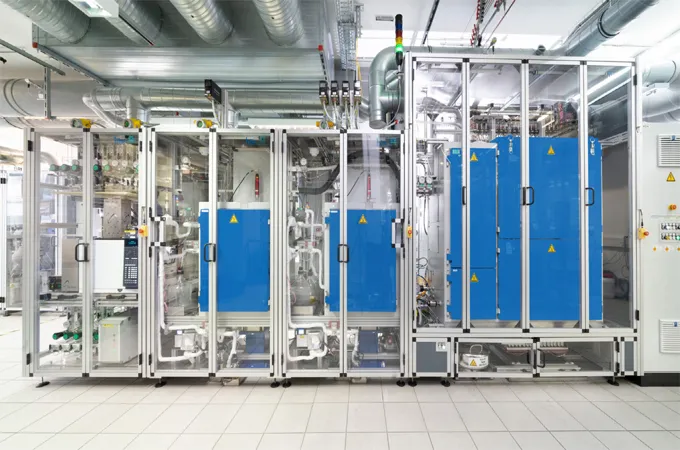
Using hte’s proprietary high throughput trickle-bed
technology, the partners assessed a blend of field cress oil and rapeseed oil
through a two-stage processing approach.
The campaign generated comparative data under industrially
relevant conditions, helping identify suitable process windows for new
renewable feedstock blends and evaluate catalyst performance and operating
conditions more efficiently than conventional testing methods.
Johanna Rindebäck, Development Engineer at VAROPreem, said:
“The further development of renewable fuels requires efficient and flexible
R&D approaches that can address the challenges associated with emerging
feedstocks. By combining our process development expertise with hte’s high
throughput technology, we were able to generate valuable insights in a highly
efficient manner.”
The collaboration demonstrates how high throughput
experimentation can help identify optimal operating conditions, assess catalyst
performance and generate data to support the development of renewable fuel
processes. It also highlights the role of laboratory-scale testing in reducing
development timelines and supporting the integration of sustainable raw
materials into existing refinery operations.
Dr. Michael Paul, COO and Managing Director at hte, said:
“We are proud to support VAROPreem in evaluating innovative renewable
feedstocks for future fuel production. This project shows how high throughput
testing can shorten development timelines, improve decision-making, and reduce
technical risk when integrating new sustainable feedstocks into existing
refinery processes.”
The partners said the findings demonstrate the potential of
advanced testing technologies to accelerate innovation and support refinery
decarbonisation initiatives as demand for renewable transportation fuels grows. -OGN/TradeArabia News Service