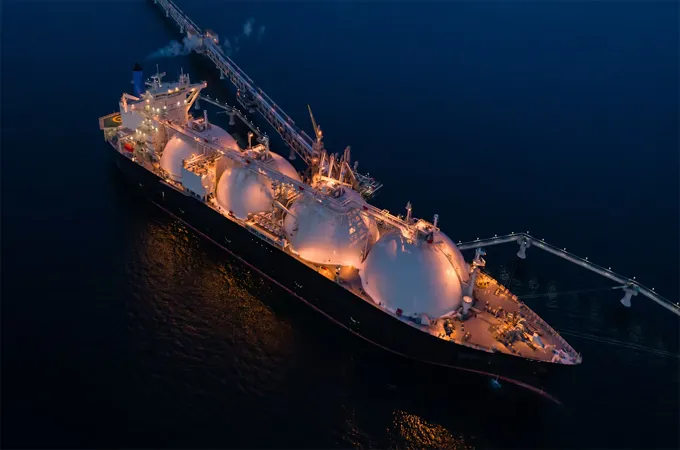
Europe is entering the 2026-27 winter heating season with its lowest natural gas storage levels in more than a decade, raising concerns that tight global gas market conditions could persist well into 2027, according to a new report by the International Energy Agency (IEA).
The Global Gas
Security Review 2026, examines changes in global gas markets
over the past decade and their ability to withstand supply disruptions,
including the ongoing conflict in the Middle East.
The report finds that
markets have become more flexible, liquid and interconnected, supported by
expanded spot trading and a growing share of destination-flexible liquefied
natural gas (LNG) contracts.
However, the effective
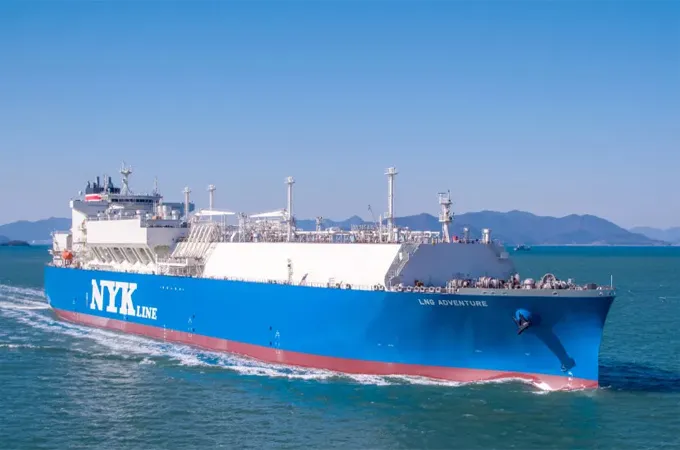
halt of LNG flows through the Strait of Hormuz has significantly disrupted
global supplies.
Between March and
October 2026, the disruption reduced LNG loadings from Qatar and the UAE by
more than 60 billion cubic metres (bcm), pushing Asian and European gas prices
to their highest levels since the 2022-23 energy crisis.
The IEA forecasts that global LNG supply will decline by 3 per cent, or nearly 20 bcm, in 2026.
Global
natural gas demand is also expected to fall by around 1.5 per cent, equivalent
to approximately 65 bcm, reflecting weaker consumption in the Middle East,
lower industrial demand in Europe and a shift from gas to coal in power
generation across several Asian markets.
In the European Union,
storage inventories are at their lowest levels since 2013 as the region
prepares for the winter heating season.
This increases
dependence on global LNG supplies to meet seasonal demand and leaves Europe
more vulnerable to colder-than-expected weather, technical outages and further
supply disruptions.
The report warns that
Europe's low storage levels, combined with limited storage capacity in
LNG-importing countries across Asia and South America, could intensify
competition for flexible LNG cargoes in the coming months.
This could place
additional upward pressure on spot prices, particularly during periods of peak
demand.
Furthermore, Europe
may need substantially higher gas injections during summer 2027 to replenish
depleted storage inventories ahead of the following winter.
This could sustain
competition for LNG supplies and extend tight conditions across global markets
well into next year.
The findings underline
the importance of stronger international cooperation on gas supply security.
The IEA highlights the need for countries to improve preparedness for potential supply crises as geopolitical risks and the complexity of global energy markets continue to grow. -OGN/TradeArabia News Service