Dubai’s tourism market is entering the final quarter of 2026 with stronger hotel occupancy and international visitor numbers, while travel patterns increasingly reflect demand for flexibility, value and experiences that combine business and leisure.
The emirate welcomed
approximately 869,000 international overnight visitors in August, its highest
monthly total since February, while hotel occupancy reached 66%, up from 36% in
March.
At Radisson RED Dubai Silicon Oasis, occupancy
increased from 51.5% in March to 82.3% in August.
Despite the recovery,
travellers remain conscious of value and are increasingly comparing rates,
reviews, locations, experiences and booking conditions before making
reservations.
“I believe the
defining travel trend for the remainder of 2026 will be purposeful,
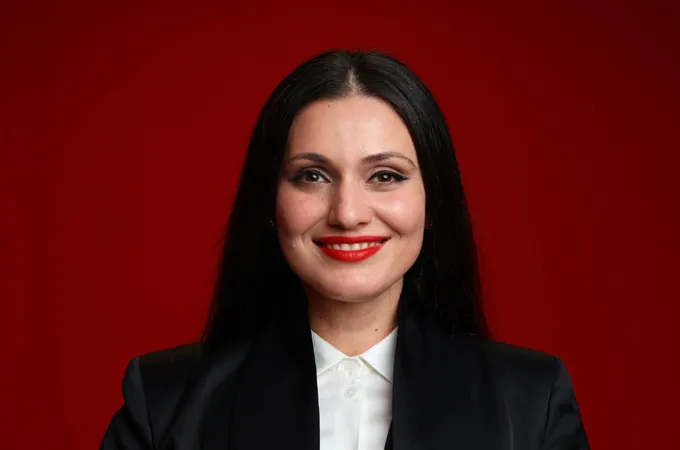
value-conscious and flexible travel,” says Nina Petridis, General Manager of
Radisson RED Dubai Silicon Oasis.
Flexible booking
conditions, travel insurance, reliable connectivity and the ability to change
or extend stays are becoming increasingly important.
Value-conscious travel
does not necessarily mean choosing the lowest-priced option, with travellers
prepared to pay more when an offer is considered relevant, flexible and
trustworthy.
“We are living in a
VUCA world – volatile, uncertain, complex and ambiguous creating what I
describe as a degree of ‘permanxiety’. Travelers recognise that disruption may
occur, but they are not giving up travel. Instead, they want greater control
over their decisions,” Petridis adds.
Business and leisure
travel are also increasingly overlapping, with guests combining meetings and
remote work with leisure activities and extended weekend stays.
In Dubai Silicon
Oasis, where business, innovation, education and residential communities
converge, this trend is reflected in demand for hotels that can support both
work and leisure.
Hotels are also
increasingly functioning as social and lifestyle spaces for overnight guests as
well as residents, professionals, families and other groups.
Facilities such as
dining venues, pools, entertainment, workspaces and recreational activities are
becoming part of the overall hotel experience.
At Radisson RED Dubai
Silicon Oasis, the offering includes a rooftop pool, billiards, table tennis,
virtual reality, live sport, entertainment and comedy nights, alongside art
exhibitions featuring artists from different parts of the world.
Shorter stays are
another feature of the changing market.
Two- and three-night
trips are becoming more deliberate as travellers seek to make better use of
limited time and budgets.
Regional travellers
and UAE residents can also take advantage of Dubai’s accessibility to turn
shorter visits into breaks without requiring extended holidays.
The hotel sector is
expected to face further demand during Dubai’s final quarter, supported by
improving weather, a strong events calendar, restored connectivity and
returning long-haul markets.
Bookings from the UK,
Russia and CIS are showing signs of recovery, while GCC, domestic and regional
markets continue to provide a base of demand.
However, stronger
tourism activity does not necessarily translate equally across the hotel
market, as travellers continue to assess experiences, flexibility, consistency
and hotel identity alongside price.
“After almost two
decades in hospitality, I believe the fundamentals remain unchanged,” says
Petridis. “Guests remember places where they felt understood, and those
experiences are created by people who feel connected to the purpose and culture
of the hotel.”
As Dubai moves into the final months of 2026, the market is therefore showing signs of recovery alongside changing expectations, with travellers placing greater emphasis on control, flexibility, value and experiences during their stays. -TradeArabia News Service