Global oil markets are sending the wrong signal by treating the latest attacks on commercial shipping in the Strait of Hormuz as a contained geopolitical incident rather than a potentially significant threat to energy supplies, warns the CEO of financial advisory giant deVere Group.
Despite reports of Iranian missile strikes on commercial vessels in one of the world's most strategically important shipping lanes, Brent crude remains close to $73 a barrel.
Nigel Green comments: “The current pricing reflects confidence that the conflict will remain limited, but investors could be caught off guard if events deteriorate.
“Markets are displaying a remarkable level of confidence at a time when they should be demanding a much bigger risk premium.
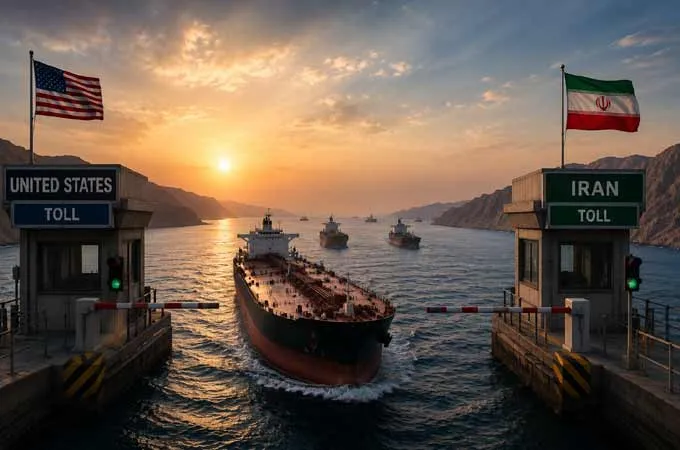
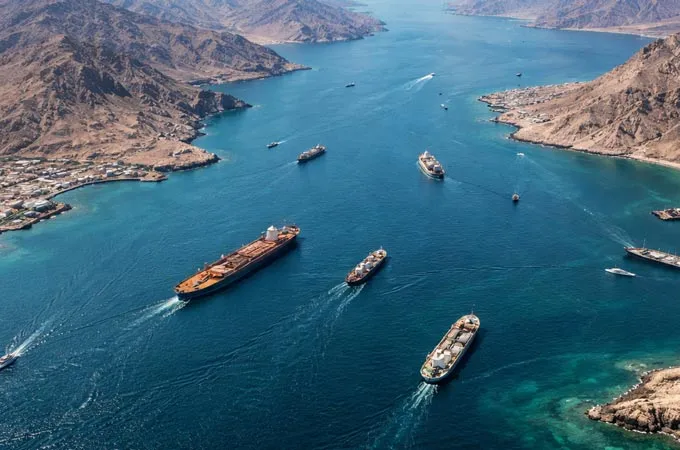
“The Strait of Hormuz isn't just another flashpoint. It’s the most important oil transit route in the world. When commercial shipping comes under attack there, investors shouldn’t dismiss it as just another geopolitical headline.”
Roughly one-fifth of global oil consumption moves through the Strait of Hormuz, making it a vital artery for international energy markets. Any sustained disruption to tanker traffic has immediate consequences for crude prices, inflation expectations, shipping costs and monetary policy around the world.
Green believes investors are taking comfort from the fact that physical exports have not yet experienced a meaningful interruption.
"So far, the market is focused on what’s still flowing rather than what could stop flowing.
“That’s understandable up to a point. But it’s also where the danger lies. Markets often move long before the physical disruption becomes obvious.”
He argues that investors are placing considerable faith in diplomacy eventually preventing a broader regional conflict, despite negotiations between Washington and Tehran continuing without a lasting breakthrough.
“Hope isn't a strategy. Markets have become comfortable with the idea that this crisis will remain contained. History shows these situations can change much faster than investors expect.”
The deVere CEO says geopolitical shocks rarely unfold in a predictable way. Instead, they often remain largely ignored until a catalyst forces markets to reprice risk rapidly.
“The biggest moves in oil rarely happen because everyone sees them coming.
“Rather, because sentiment changes almost overnight. That’s when traders suddenly realise they've been underestimating the risks.”
He says investors should spend less time reacting to political rhetoric and more time monitoring indicators that reveal whether energy supplies are beginning to tighten.
“The data that matters now isn’t the speeches coming out of Washington or Tehran. It’s tanker movements, export volumes, freight rates, insurance premiums and refinery activity.”
He also believes the current pricing leaves markets vulnerable because oil has recently been trading near multi-month lows following concerns over global demand.
“It doesn’t take a complete closure of the Strait of Hormuz to move oil sharply higher. Even a sustained increase in operational risk, insurance costs or shipping delays can tighten supply conditions and push prices materially higher.”
While Green is not forecasting an immediate surge to $90 a barrel, he believes current market pricing does not adequately reflect the range of possible outcomes should security conditions deteriorate.
“I’m not saying oil has to reach $90. I’m saying markets are behaving as though the probability of a major disruption is negligible. I think that’s an increasingly difficult position to justify,” he concludes. - TradeArabia News Service