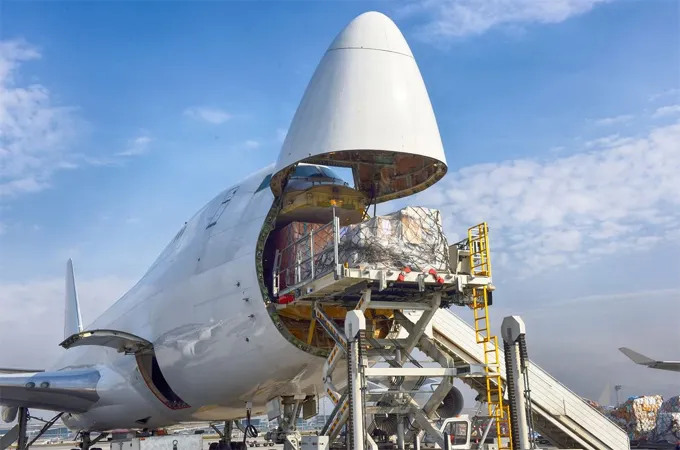
The International Air Transport Association (IATA) reported that in March 2026, global air cargo demand, measured in cargo tonne-kilometres (CTK), fell by 4.8% compared to March 2025, with international operations down 5.5%.
Capacity, measured in
available cargo tonne-kilometres (ACTK), also declined by 4.7%, including a
6.8% drop in international capacity.
“Air cargo demand fell
4.8% in March compared to the previous year. This was mostly due to severe
disruptions at major Gulf hubs due to war in the Middle East. The timing of the
usual post–Lunar New Year slowdown also added to the decline. The underlying
demand trends, at this point, appear strong and the recent World Trade Organisation
and International Monetary Fund revisions to trade and GDP projections continue
to see growth in 2026. Importantly, air cargo networks are providing the
flexibility needed to support global supply chains as they adjust to
geopolitical, tariff, and operational strains. All eyes are on fuel supply and
price, which are expected to test the industry’s resilience in the coming
months,” said Willie Walsh, IATA’s Director General.
Several factors in the
operating environment should be noted:
Global industrial
production grew by 3.1% year-on-year in February, marking the 38th consecutive
month of expansion. The global goods trade rose by 8.0% year-on-year in
February.
Jet fuel prices rose
sharply in March, up 106.6% year-on-year, alongside a 43.1% increase in crude
oil prices and a 320% surge in refining margins.
Global manufacturing
sentiment remained in growth territory in March, easing slightly from February.
The Purchasing Managers’ Index (PMI) stood at 51.4. The PMI for new export
orders was 50.1—both above the 50-point expansion threshold—signalling positive
conditions for air cargo demand.
March Regional Performance
Asia-Pacific airlines saw a 5.4% year-on-year growth in air cargo
demand in March. Capacity increased by 5.0% year-on-year.
North American carriers saw a 1.2% year-on-year decrease in
air cargo demand in March. Capacity decreased by 1.1% year-on-year.
European carriers saw a 2.2% year-on-year increase in demand for
air cargo in March. Capacity increased by 4.2% year-on-year.
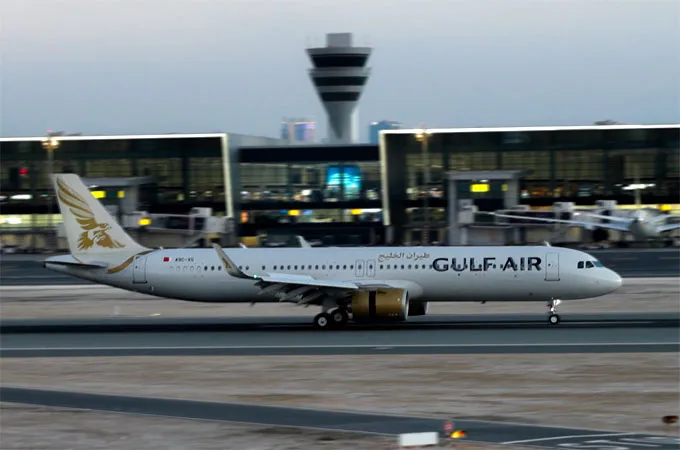
Middle Eastern carriers saw a 54.3% year-on-year decrease in demand
for air cargo in March, the weakest performance of all regions. Capacity
decreased by 52.4% year-on-year.
Latin American and Caribbean carriers saw a 1.8% year-on-year
increase in demand for air cargo in March. Capacity increased by 5.1%
year-on-year.
African airlines saw a 7.0% year-on-year increase in demand for air
cargo in March, the strongest rise of all regions. Capacity decreased by 4.6%
year-on-year.
Trade Lane Growth
Air cargo performance diverged across major trade lanes in March. Africa-Asia led growth followed by Asia–Europe, with intra-Asia also holding strong on regional trade. In contrast, Gulf-linked corridors were severely disrupted by the ongoing conflict in the Middle East. -TradeArabia News Service