Security, scale and pragmatism took centre stage on the third day of India Energy Week 2026 (IEW 2026) being held in Goa, as policymakers and industry leaders outlined a data-driven, realistic roadmap for the energy transition of the world’s fastest-growing major energy market, said the event organisers.
Across a packed programme of discussions, one message resonated clearly: India’s transition will not follow a single path. Instead, it will be shaped by a carefully-balanced mix of renewables, clean fuels, advanced manufacturing and firm baseload power—underpinned by policy certainty, resilient supply chains and integrated energy data systems.
On the opening day, Prime Minister Narendra Modi had unveiled the $500 billion energy investment opportunity for the country amid the landmark India–EU trade agreement.
Addressing the inaugural ceremony via video conferencing, Modi said the country was moving beyond energy security towards the mission of energy independence, supported by wide-ranging reforms, deep-sea exploration initiatives, LNG infrastructure expansion and rapid growth in city gas distribution.
He highlighted India’s expanding role in global energy markets - India is among the top five exporters of petroleum products, supplying more than 150 countries worldwide.
He emphasised the opportunities for India’s large refining base - currently the world’s second largest.
"Our energy sector lies at the heart of India’s aspirations," said the Prime Minister. "It holds $500 billion in investment opportunities. That is why Make in India. Innovate in India. Scale with India. Invest in India," he added.
Addressing the gathering, Hardeep Singh Puri, the Union Minister of Petroleum and Natural Gas, highlighted India’s steady progress towards energy security, self-reliance and climate justice under the leadership of PM Modi.
He said India Energy Week has rapidly emerged as a trusted global platform bringing together policymakers, producers, consumers, investors and technology providers.
The Minister interacted across the exhibition floor, as discussions reflected growing confidence in India’s energy journey, with a strong focus on exploration and production, technology-led capability building and long-term energy security.
On day 3, coal featured prominently in discussions on resilience. Kyle Haustveit, Assistant Secretary for Hydrocarbons and Geothermal Energy at the US Department of Energy, pointed to recent severe winter storms in the United States as evidence that coal remains critical for grid stability, noting that it can operate with “fuel on site for 30 to 50 days” and “power through” when other sources are disrupted.
Indian policymakers echoed the need for pragmatism. Vikram Dev Dutt, Secretary at the Ministry of Coal, described coal as a “bridge” in the transition, stressing that the approach is not to phase coal out abruptly, but to “phase it down” while scaling renewables, storage and clean coal technologies in parallel.
Bioenergy and clean fuels as cornerstones
Bioenergy and clean fuels emerged as key pillars of India’s energy security strategy. Leaders highlighted rapid progress in scaling ethanol, biodiesel, compressed biogas and sustainable aviation fuel, positioning bioenergy as a vital link between emissions reduction, rural economic development and energy independence.
With per-capita energy consumption still well below global averages - but demand growing at nearly twice the global rate -bioenergy is playing an increasingly strategic role.
India has already tripled its consumption of modern bioenergy since 2020, with further acceleration expected through 2030 under existing policy frameworks, stated the speakers.
Renewables Move Beyond Capacity Targets
Discussions on renewables reflected a shift in focus - from headline capacity targets to system integration and industrial resilience. India’s non-fossil fuel capacity has reached around 267 GW, with ambitions to exceed 600 GW by 2030.
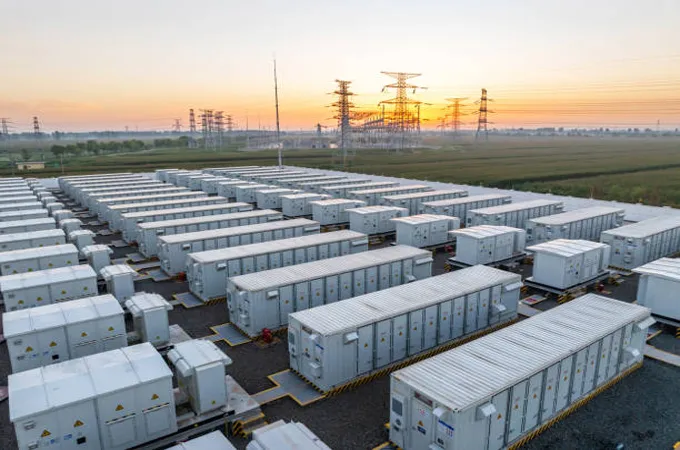
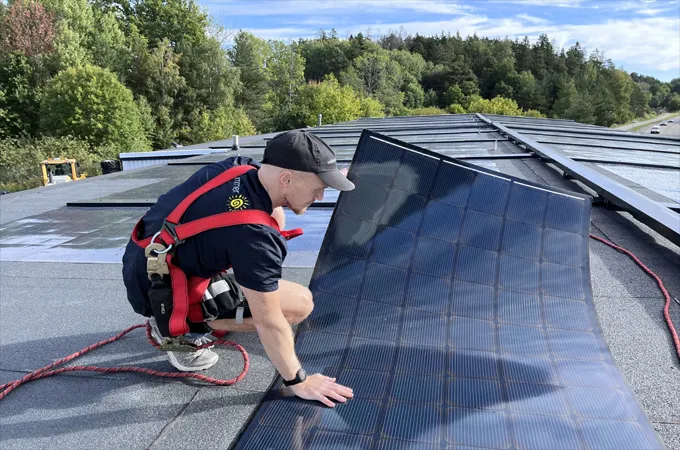
The next phase of growth will centre on grid integration, energy storage and strengthening domestic manufacturing across solar and wind value chains, reducing import dependence while enhancing India’s competitiveness in global clean-energy markets.
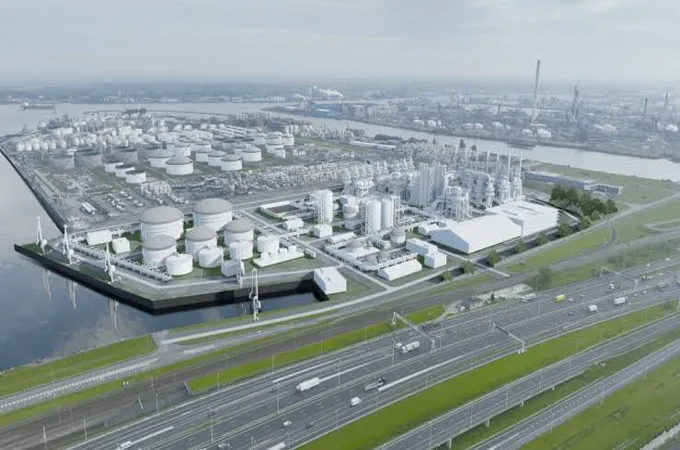
Momentum around hydrogen and green ammonia was also evident, with India’s green hydrogen ecosystem moving decisively from ambition to execution, said experts at the event.
Falling renewable power costs, improving price discovery and expanding electrolyser manufacturing capacity are helping projects advance toward final investment decisions.
International partners pointed to growing opportunities for India to serve global markets, particularly as hydrogen demand frameworks take shape in Europe and other regions.
Coal’s candid role in a balanced transition
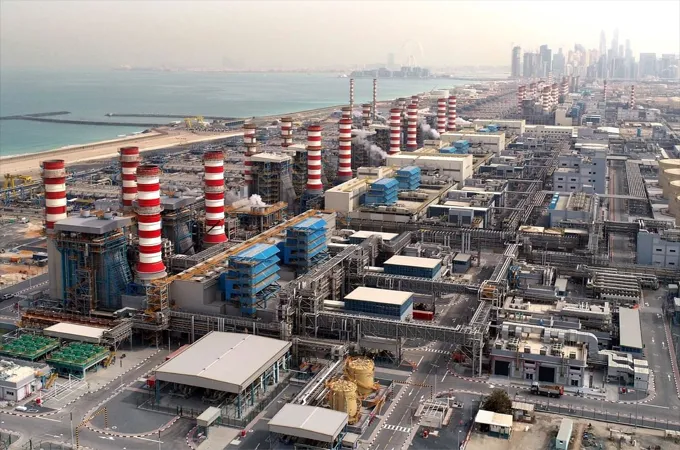
Coal’s evolving role was addressed openly, framed not as a contradiction but as a stabilising element of India’s transition. Policymakers emphasised that affordable and dependable baseload power remains critical as the country works toward tripling per-capita energy consumption by mid-century.
Rather than abrupt displacement, coal is being positioned as a transitional anchor—operating alongside renewables, storage and cleaner coal technologies such as gasification—to support grid stability, industrial growth and energy affordability.
The day concluded with a clear emphasis on co-ordination over substitution - aligning policy, capital, data and technology to ensure that transition pathways remain resilient under real-world pressures, from extreme weather to geopolitical disruption.
As India Energy Week 2026 continues, the event is reinforcing its role as a global platform for candid, practical discussions on energy transition—showcasing how major economies are balancing ambition with realism, and sustainability with the imperatives of growth.-TradeArabia News Service