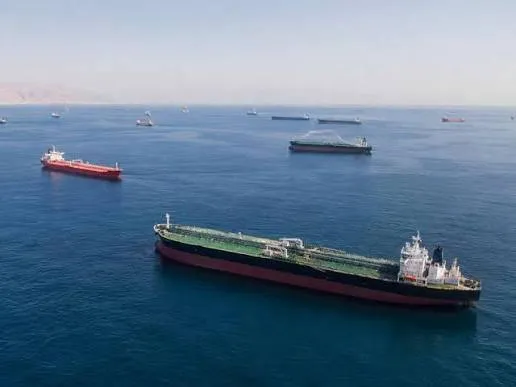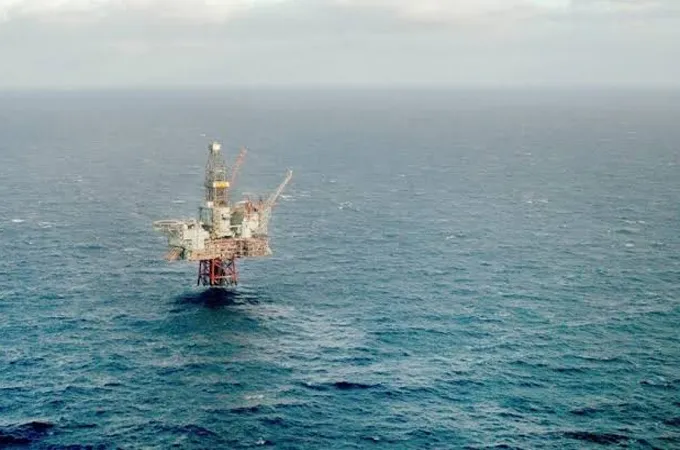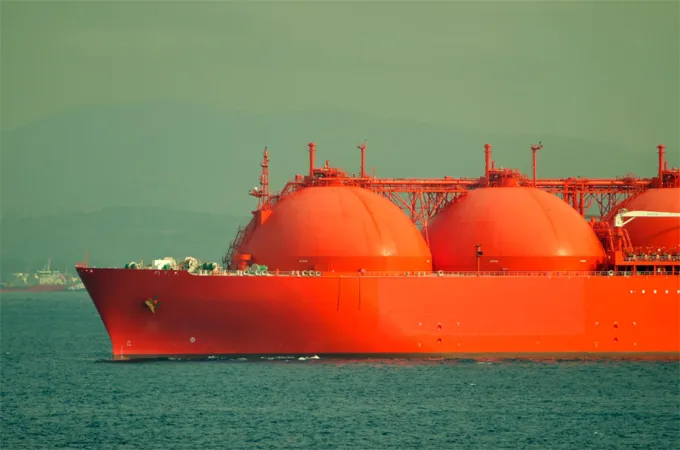
Global LNG supply is set to surge from 2027, driven by new projects and expanded production in the US and Qatar.
Bloomberg’s Global LNG
Market Outlook 2030 forecasts global supply reaching 594 million tonnes by 2030 – a 42%
increase from 2024 – with a projected 15-million-tonne oversupply in international markets.
While geopolitical
risks and potential project delays could shift this balance, the prospect of
sustained LNG surplus poses a critical question for Africa: how can the
continent strengthen domestic gas value chains to shield itself from global
market volatility?
Rising African Demand Constrained by Infrastructure
Africa’s natural gas production is rising, with several new LNG projects coming
online across the continent.
North Africa currently produces two-thirds of
the continent’s gas, but the African Energy Chamber’s (AEC) State of African
Energy 2026 Outlook projects this share falling to 40% by 2035 as sub-Saharan
output accelerates.
By 2050, sub-Saharan
LNG supply could quadruple, while African gas demand is expected to grow 60%,
from 55 billion cubic meters (bcm) in 2020 to 90 bcm.
Despite this growing demand, most gas continues to be exported. The primary
bottleneck is infrastructure: limited pipeline networks, underdeveloped
transmission systems and insufficient processing and storage prevent gas from
reaching domestic markets.
As a result, LNG
exports remain the most viable monetisation route, backed by international offtake
contracts and financing structures.
Financing constraints
further exacerbate the challenge, as domestic infrastructure projects require
patient capital, government support and credit enhancements, which are often
easier to secure for export-focused LNG developments.
Addressing this
imbalance will demand an infrastructure-led strategy that aligns production
with domestic pipelines, power generation and regional interconnections.
New Projects Signal Momentum
Recent developments suggest positive momentum toward a more integrated African
gas economy. In the LNG sector, countries are constructing terminals to support
domestic and regional access, including projects at Richards Bay in South
Africa and the Port of Nador in Morocco.
Earlier this month,
Ethiopia signed a landmark agreement to advance the Gas-by-Rail Economic
Corridor Initiative, a 75,000-km freight railway system designed to carry LNG
to more than 40 sub-Saharan nations, providing direct pathways to high-demand
markets.
Cross-border and power generation infrastructure is also expanding. Several
major pipeline projects are underway, including the $25 billion Nigeria-Morocco
Gas Pipeline traversing 13 West African states, the Trans-Saharan Gas Pipeline
connecting Nigeria to Algeria, and the $1.5 billion Mozambique-Zambia pipeline
announced in 2025.
Senegal is developing
a multi-phase gas network linking offshore production to power plants,
industrial zones and urban areas, while Ghana plans five multi-purpose
petrochemical plants, each producing 90,000 barrels per day of chemicals such
as fertilisers
and lubricants to support industrial and agricultural sectors.
A continental push toward gas-to-power is increasingly evident, supported by
policy reform and efforts to expand electricity access.
The AEC outlook
projects natural gas supplying 45% of Africa’s power by 2050. Countries
including Nigeria, South Africa, Angola, Senegal, Ghana and Mozambique have
integrated gas-to-power goals into national strategies, aiming to translate
rising gas production into reliable electricity, cleaner cooking solutions, and
broad-based economic growth.
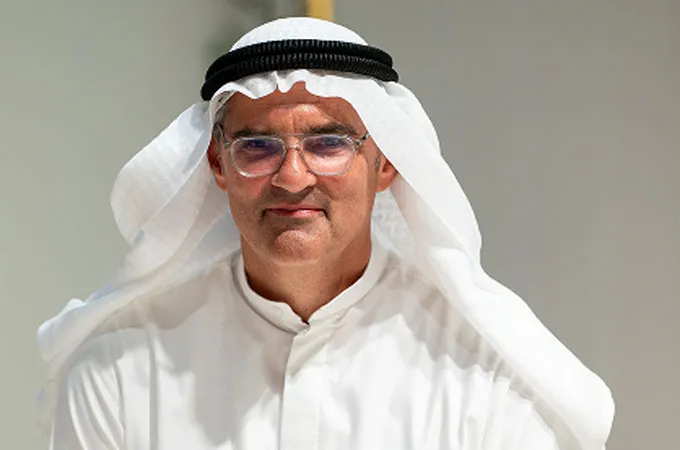
“Export projects alone will not secure Africa’s energy future. Strategic
investment in gas infrastructure is what will determine whether rising
production translates into electricity access, industrial capacity, and
economic resilience,” states NJ Ayuk, Executive Chairman, AEC. -TradeArabia News Service