Global CEO departures dropped to their lowest H1 level in nine years during the first half of 2026, signaling that corporate leadership change is beginning to stabilize following two years of elevated turnover across the world’s largest indices, says a report.
The findings, revealed in the latest Global CEO Turnover Index by global leadership advisory firm Russell Reynolds Associates, show that 101 CEOs departed their roles globally in H1 2026, down from 118 in H1 2025. Meanwhile, global CEO hiring held steady with 130 appointments, closely matching the nine-year H1 average (129).
The moderation in CEO turnover coincided with broader market conditions that may have reduced pressure for leadership change, including rising stock markets in markets such as the US. In line with this environment of greater continuity, departing CEOs served an average of nine years, up from 6.6 years in H1 2025, marking the second-highest H1 tenure average recorded in the nine-year tracking period.
As economic and digital transformation pressures persist, boards are placing a higher premium on experienced leaders. Globally, 30 of the 130 incoming CEOs (23%) previously held a public company CEO role, the highest H1 share in our nine-year tracking period.
This shift was most pronounced in the S&P 500, where 11 of the 32 incoming CEOs (34%) had previously led a public company. Of those 11, nine were also internal appointments. Four moved from the board into the CEO role and five held executive positions within the company. Overall, 88% of incoming S&P 500 CEOs were promoted from within the organization. The data indicates that rather than choosing between internal succession and proven CEO experience, some boards appear to be building succession pathways that give them both.
Beyond short-term market conditions, the findings suggest boards are placing greater emphasis on leadership continuity, deliberate internal succession and proven executive experience.
For UAE boards, the findings underline the importance of structured succession planning and leadership continuity as organizations build for long-term growth. As the country attracts expanding multinational headquarters and international investment, organizations require long-term leadership pipelines capable of supporting sustained growth while retaining access to proven executive experience when needed.
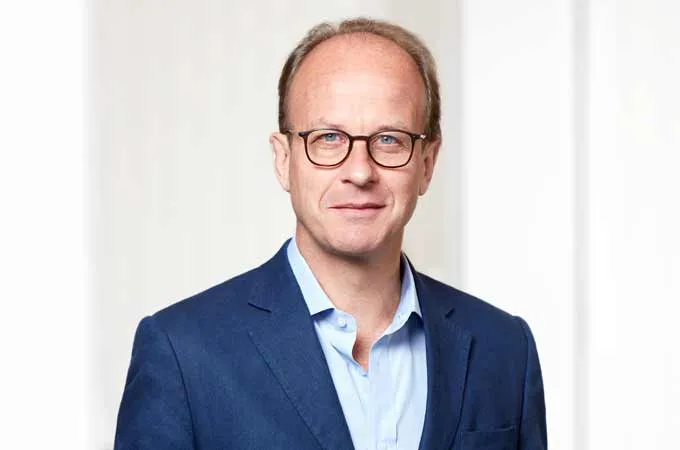
“The moderation in CEO turnover suggests boards are placing greater value on continuity and proven leadership,” said Nicolas Manset, Head of the Middle East at Russell Reynolds Associates. “For organizations in the UAE, the lesson is not simply to retain leaders for longer, but to build stronger succession pipelines before they are needed. As businesses scale and transform, boards need a clear view of the leaders they are developing internally, while maintaining access to experienced external talent when the situation demands it.” - TradeArabia News Service