Strong investor confidence, a strategic realignment of regional trade flows, and sustained momentum toward Vision 2030’s industrial diversification goals have reinforced Saudi Arabia’s position as a critical and resilient logistics hub, according to a JLL report.
JLL’s latest KSA Industrial Market Dynamics Q2 2026 report said with an expanding industrial base, the Kingdom’s industrial and logistics real estate sector is witnessing tight occupancy across major markets while the country’s multi-port network drives resilience-driven demand and occupiers prioritize regional risk mitigation amid broader regional uncertainties.
Meanwhile, Saudi Arabia’s industrial base expanded to approximately 13,660 establishments in April 2026, up from 12,289 a year earlier, indicating tangible progress toward Vision 2030 goals, said a new report.
This rapid growth is fuelling demand, both from lease renewals and consistent new absorption. Occupancy across the major hubs of Riyadh, Jeddah, and the Dammam Metropolitan Area (DMA) remained above 90% in Q2, underscoring the depth of occupier commitment and the structural supply-demand imbalance in these markets.
Rental rates across Jeddah, Riyadh, and the DMA continued to rise as persistent Grade A scarcity and structural demand growth outweighed the impact of regional geopolitical tensions. Jeddah, the Kingdom’s primary western gateway, saw average rents climb 4.8%, while in the capital, Riyadh, rents rose 3.9%, with Industrial Gate City submarket commanding the highest rate at SAR 300 per sq m per annum. DMA experienced the most significant surge, with average rents rising by 6.9%.
A significant shift in demand patterns occurred in the second quarter, as regional disruptions redirected cargo flows toward Saudi Arabia’s Western ports, including Jeddah Islamic Port and King Abdullah Port in Rabigh. This strategic realignment was further solidified by the launch of Mediterranean Shipping Company’s (MSC) new Middle East Express service, which now provides a direct shipping connection from Europe to these key Red Sea hubs.
While the near-term impact of the recent disruptions in port operations is likely to see freight costs remain elevated, a lasting effect is the strengthening of Saudi Arabia’s position as a dependable logistics alternative. The Kingdom's west coast ports are now expected to permanently retain a portion of the diverted trade flows, solidifying their expanded role regardless of future regional developments.
Looking forward, occupancy levels across the Kingdom's primary industrial markets are anticipated to remain high over the near to medium term. Although upcoming supply will bring modest ease to select submarkets, a significant shift from landlord-favourable conditions is unlikely in the short term.
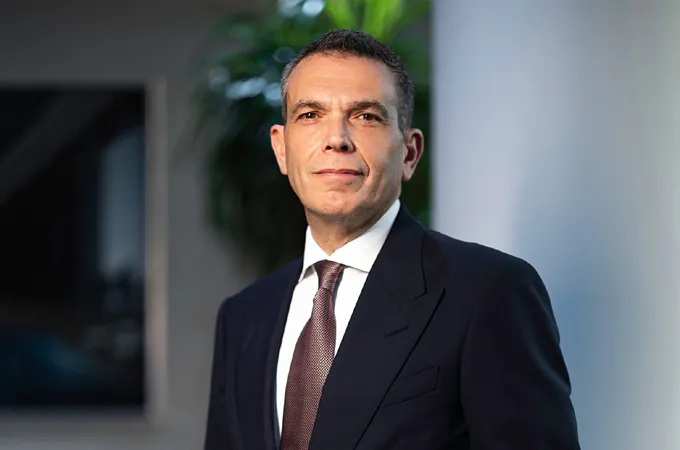
Saud Al Sulaimani, CEO and Head of Capital Markets – KSA at JLL, said: “The resilience and adaptability of the Kingdom’s logistics sector, backed by national directives and strategic port infrastructure investments in line with Vision 2030 goals, have strengthened Saudi Arabia's strategic position as a global trade hub. This structural demand, including enhanced capacity of the Kingdom’s Red Sea ports, are creating a dependable ecosystem for investment and growth, and fuelling interest in premium, strategically positioned logistics spaces, even amidst broader macroeconomic uncertainties.”