Saudi Arabia's Jazan Region has launched a tropical fruits and greenhouses project with investments exceeding SAR600 million ($159.77 million).
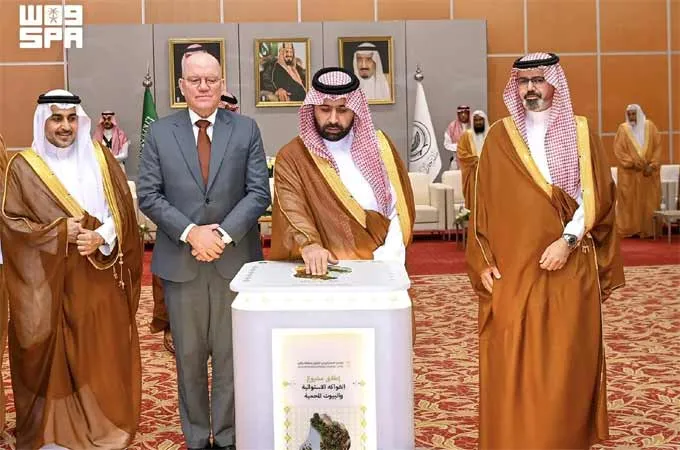
The project was launched by Governor of Jazan Region and Chairman of the Supervisory Committee of Development Strategic Office Prince Mohammed bin Abdulaziz bin Mohammed bin Abdulaziz, said a Saudi Press Agency report.
The governor said the project is an extension of the Jazan Region Development Strategic Office’s efforts to enable and attract high-quality investments, promote sustainable development, and capitalize on the region's abundant agricultural resources.
He said the project supports the objectives of Saudi Vision 2030 to diversify the economy, enhance food security, and increase the agricultural sector's contribution to economic development.
The project is one of the largest protected agriculture projects in the region. It is being implemented by Amtar Al Khair Agricultural Crops Company in partnership with KUBO, a Dutch company and one of the world's leading providers of greenhouse and smart farming technologies, to transfer global expertise and apply the latest agricultural technologies in the local market.
The project comes as part of the efforts of the strategic office to enable high-quality investment partnerships and attract global expertise to the region, contributing to the development of the agricultural sector, improving its efficiency, and enhancing its competitiveness.
The project covers a total area of 1 million sq m, including 500,000 sq m of high-tech greenhouses and 500,000 sq m dedicated to tropical fruit production, further strengthening the investment in the agricultural advantages of Jazan Region.
The project is expected to create more than 2,000 job opportunities, while stimulating investment in agricultural value chains, thereby supporting economic growth and enhancing the competitiveness of the agricultural sector in Jazan Region.
The project relies on advanced protected agriculture systems, including smart solutions for greenhouse climate management, closed-loop irrigation systems, and water recycling technologies. These are expected to reduce water consumption by up to 75% and improve the efficient use of natural resources in line with the principles of sustainability, said the report.