The agreement the US and Iran are close to signing involves a 60-day ceasefire extension during which the Strait of Hormuz would be reopened, Axios has reported.
Iran would freely sell oil, and negotiations would be held on curbing its nuclear programme, it said.
Both US President Donal Trump and the mediators have indicated the deal could be announced as soon as today, though it hasn't been finalised and could still fall apart.
A US official provided a detailed outline of the draft. Those details haven't been confirmed by the Iranian side, though Tehran has also indicated a deal is getting close.
What's in the deal
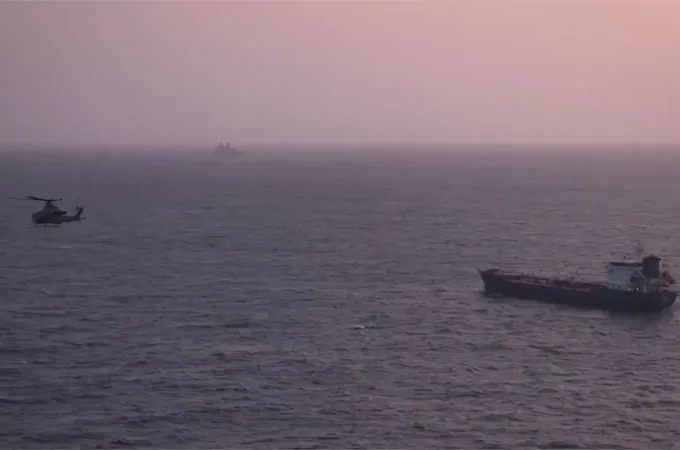
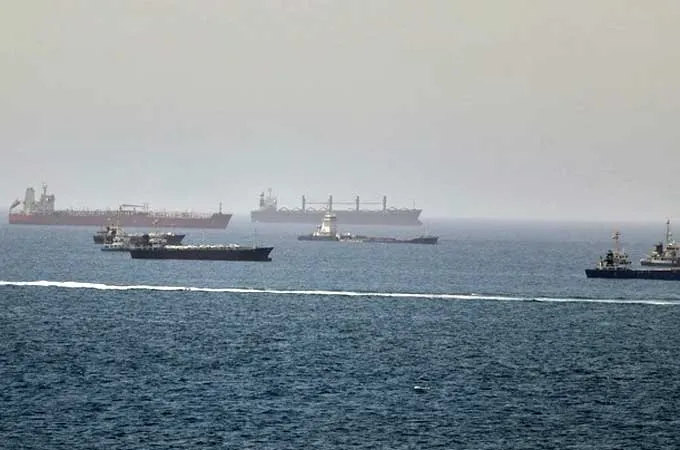
Both sides would sign a memorandum of understanding lasting 60 days, extendable by mutual consent. During the 60-day period, the Strait of Hormuz would reopen with no tolls, and Iran would clear its mines in the strait, the report said.
In exchange, the US would lift its blockade on Iranian ports and issue some sanctions waivers to allow Iran to sell oil freely.
The US official acknowledged that would be a boon to Iran's economy but said it would also give significant relief to the global oil market. The official said Trump's key principle in the agreement is "relief for performance."
The draft MOU includes commitments from Iran to never pursue nuclear weapons and to negotiate over a suspension of its uranium enrichment and the removal of its stockpile of highly enriched uranium, the US official said.
Iran gave the US, through the mediators, verbal commitments on the scope of concessions it's willing to make on suspending enrichment and giving up nuclear material, according to two knowledgeable sources.
US forces would stay in the region during the 60-day period and only withdraw if a final deal is reached.
Some of Iran's frozen funds could be released if it hits certain milestones, but none would be freed upfront, a US official says. No sanctions would be permanently lifted before a final deal is reached, said the Axios report.
The draft MoU also makes clear that the war between Israel and Hezbollah in Lebanon would end.
Israeli Prime Minister Benjamin Netanyahu expressed concern about that condition during a phone call with Trump yesterday, an Israeli official said.