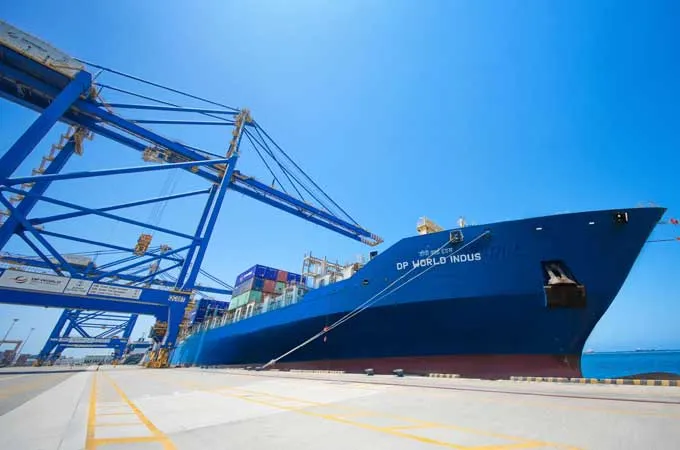
As the present conflict in the Middle East continue to unsettle shipping lanes, raise freight costs and test supply chain resilience across sectors, the Gulf’s retail industry is demonstrating a remarkable ability to absorb shocks while keeping shelves stocked and consumer confidence intact.
For retailers, the challenge is no longer simply about procurement, but about navigating geopolitical uncertainty, volatile logistics costs and changing sourcing strategies without disrupting everyday life for millions of consumers.
Diversified sourcing strategies, alternative shipping routes and stronger coordination between logistics providers and government authorities have helped maintain continuity in the movement of essential goods, says Mark Mortimer-Davies, CEO of Choithrams, in an exclusive interview with TradeArabia's Sree Bhat.
Even as some fresh food categories experience price fluctuations and freight costs edge upward, retailers report that stock levels remain stable, supported by contingency planning and access to multiple regional ports.
In the interview, Mark Mortimer-Davies shares insights into how retailers are managing supply chains, maintaining strong stock levels across key product categories, and responding to shifts in consumer behaviour during periods of heightened demand, while ensuring that resilience remains at the centre of the Gulf retail sector’s response to regional uncertainty.
Excerpts from the interview:
From the retail sector’s perspective, how would you describe the current situation in the Gulf?
Many Gulf markets continue to demonstrate strong economic activity and consumer confidence, with limited direct impact on day-to-day retail operations. While the situation requires close monitoring, the sector remains resilient, supported by diversified sourcing, contingency planning, and minimal supply disruption. Some fluctuations in fresh product costs and upward pressure on shipping rates are being observed, but overall stock levels remain stable and well managed.
With shipping routes and freight movements facing disruptions in parts of the region, what concrete steps are retailers taking to safeguard supply chains and ensure consistent availability of essential goods?
Retailers, including Choithrams, are leveraging diversified logistics networks and alternative routing through key regional ports such as Jebel Ali, Khorfakkan, Fujairah, and others across the UAE, Oman, and Saudi Arabia. Air freight continues to support time-sensitive goods, ensuring continuity of supply with no anticipated impact on essential product availability.
How are government authorities supporting you in this?
Authorities have been highly proactive, working closely with the sector to maintain the flow of goods and enable flexible logistics processes, including trans-shipment across regional markets. Strong coordination between government entities, ports, and logistics providers has ensured continued supply chain stability.
During periods of uncertainty, demand for essential goods can rise quickly. How prepared is the sector to manage sudden spikes in demand?
The sector is well experienced in handling demand surges, having navigated previous disruptions. Strong local production in key categories, combined with diversified imports and robust stockholding of essentials, ensures readiness. Choithrams’ private label, Goodness Foods, further strengthens availability through integrated sourcing and supply chain agility.
Supply chain resilience has been a major focus globally in recent years. How robust are the Gulf’s retail supply chains today?
Supply chains across the Gulf are significantly stronger today, supported by investments in digitalisation, logistics infrastructure, and cold chain capabilities. Diversified sourcing, omnichannel fulfilment, and advanced planning frameworks provide a highly robust and responsive system.
What immediate impact, if any, are retailers seeing on consumer sentiment, footfall and shopping patterns?
A short-term increase in demand for essentials was observed initially, which is typical during uncertainty. However, consumer confidence stabilised quickly following clear communication from retailers and authorities, with shopping patterns returning to normal levels.
Given the Gulf’s reliance on imported goods, how are retailers working with suppliers and logistics partners to ensure uninterrupted product flows?
Retailers maintain strong partnerships with global suppliers and logistics providers, enabling quick adjustments to shipping routes and supply schedules. Free zones and regional distribution hubs further enhance efficiency and flexibility across multimodal logistics networks.
How important are inventory planning and demand forecasting in maintaining stability during such periods?
Advanced inventory planning and demand forecasting are critical. Retailers utilise real-time data, historical trends, and increasingly AI-driven analytics to anticipate demand shifts and ensure consistent replenishment and product availability.
What short-term operational measures are retailers putting in place to ensure smooth store operations with workforce disruptions across the chain?
Retailers are implementing flexible workforce strategies, including shift adjustments, staff reallocation, and cross-training, ensuring core operations remain unaffected and service levels are maintained.
Looking ahead to the coming weeks, what are the immediate priorities for the retail sector to maintain stability and consumer confidence?
The focus remains on maintaining product availability, responsible pricing, and clear communication with customers. Close coordination with stakeholders ensures continued supply chain stability and consumer confidence.
Gulf's retail sector has shown remarkable resilience over the years. What gives you confidence in the sector’s ability to continue serving consumers reliably in the weeks and months ahead?
The region’s strong track record, combined with investments in infrastructure, diversified sourcing, and close collaboration between retailers, suppliers, and government entities, provides a solid foundation for maintaining stable supply and ensuring consumers continue to find well-stocked shelves.
-TradeArabia News Service