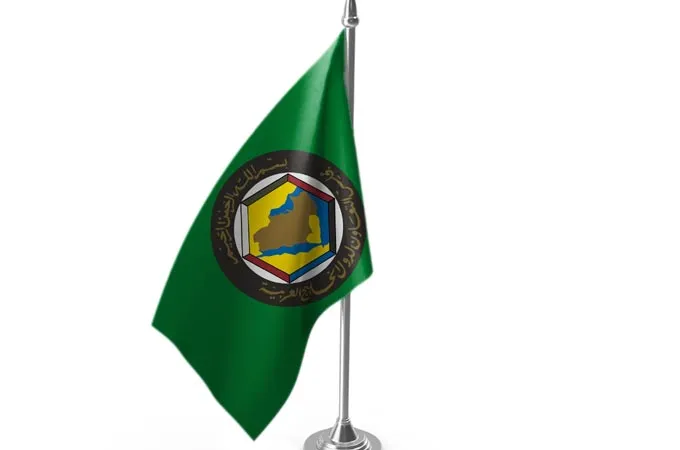
The equity markets in the Kingdom of Saudi Arabia and UAE led gains across Gulf in January, outperforming regional peers as strong earnings, economic momentum and policy support lifted investor sentiment. The Saudi equity index rose 8.5% for the month, the strongest performance in the Gulf, according to Kuwait Financial Centre (Markaz).
Saudi Arabia’s equity index rose 8.5% during the month, the strongest performance in the Gulf, driven by robust results from blue-chip companies and optimism following the announcement that the kingdom will open its financial markets to all foreign investors, it stated.
Abu Dhabi’s benchmark gained 2.9%, while Dubai’s index climbed 6.4%, supported by strength in heavyweight stocks, Markaz said in its January 2026 Monthly Market Review.
The broader S&P GCC Composite Index advanced 6.5% in January, with all major Gulf markets ending higher except Kuwait and Bahrain.
Saudi National Bank jumped 18.4% during the month after posting an 18% year-on-year rise in net income for 2025, supported by expansion in its core business and improved operating efficiency.
Al Rajhi Bank gained 9.9% after reporting a 25.7% increase in 2025 net income to a record SAR 24.8 billion. Saudi mining giant Ma’aden surged 26.8% following the discovery of 7.8 million ounces of gold across four sites.
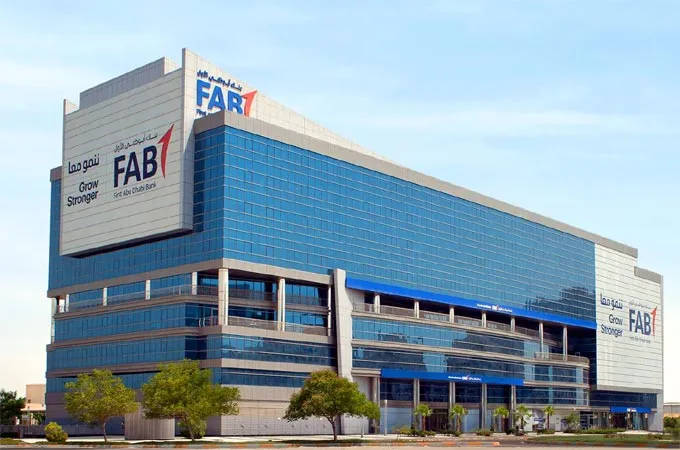
In the UAE, First Abu Dhabi Bank rose 6.7% after recording 24% growth in 2025 net income, while Dubai-listed Emaar Properties advanced 6.8%, lifting the emirate’s main index. Oman’s Muscat Stock Exchange also continued its strong momentum from last year, rising 7.9% in January.
By contrast, Kuwait’s equity market put up a poor performance, retreating for the month, with the Kuwait All Share Index falling 3.8% as investors booked profits after strong gains in 2025.
Losses were led by Consumer Staples, Technology and Consumer Discretionary stocks, while the banking sector index declined 3.0%. Burgan Bank and National Bank of Kuwait fell 9.1% and 6.3% respectively during the month, although NBK reported a 5.4% rise in profit before tax for 2025.
Oil and Gas and Telecommunications were the only sectors to gain in Kuwait, rising 4.2% and 1.7%. Independent Petroleum Group advanced 5.1% after reporting 12.8% growth in 2025 net income, while National Mobile Telecommunications (Ooredoo) surged 18.5% following its data centre subsidiary Syntys’ acquisition of two hyperscale facilities in Qatar.
Kuwait’s macroeconomic indicators remained supportive, with domestic credit growth expanding 7.6% year-on-year in 2025, driven by lending to banks, financial institutions and businesses.
Real estate sales reached a record KD4.4 billion, up 26% year-on-year, supported by strong growth in the investment segment. Markaz said momentum is expected to continue in 2026, aided by the implementation of the mortgage law.
Across the region, the UAE’s domestic credit growth hit a decade high of 9.7% year-on-year in November, driven by private sector lending.
Saudi Arabia reported a 21% rise in non-oil exports, including re-exports, in November 2025, supported by strong growth in machinery and electrical equipment re-exports.
Buoyed by the growth, Fitch reaffirmed Saudi Arabia’s A+ credit rating with a stable outlook and forecast GDP growth of 4.8% in 2026, citing strong non-oil activity.
Global markets also ended January higher, supported by strong corporate earnings. The MSCI World Index rose 2.2% and the S&P 500 gained 1.4%, while emerging markets climbed 8.8%, led by Chinese equities. U.S. Treasury yields rose, with the 10-year yield ending the month at 4.26%, after the Federal Reserve held interest rates steady at its January meeting.
Oil prices rallied sharply, with Brent crude rising 16.2% to $70.69 a barrel, driven by geopolitical tensions involving the US and Iran and supply disruptions in Kazakhstan.
Markaz said geopolitical risks and corporate earnings will remain key drivers for markets in February, warning that elevated valuations in technology stocks could pose broader risks despite continued resilience in global and regional markets.-TradeArabia News Service